Quick answer: flipping a 1950s ranch in Phoenix starts with the 70 percent rule, where the maximum purchase price is the after-repair value times 0.70 minus repairs. Standard remodels in Arizona commonly land between $20,000 and $70,000, with full renovations averaging in the mid-$60,000s, and recent market snapshots put the average gross profit per flip in Arizona around $51,882 on a median home price close to $450,000.
Phoenix has quietly become one of the most reliable places in the country to make money on a fix and flip, and the reason has a lot to do with what sits on the lots. The Valley of the Sun is packed with 1950s and 1960s ranch homes: low-slung, single-story houses with solid bones, generous lots, and floor plans that are begging to be opened up. For an investor with a real plan, that mix of steady buyer demand and abundant older housing stock is close to ideal.
This is a room-by-room playbook for taking a tired Arizona ranch down to the studs and bringing it back as a clean, modern, move-in-ready home. We will walk through what the numbers actually look like in 2026, the renovation sequence that keeps a project moving, the design choices that land with Phoenix buyers, and the quiet mistakes that eat your margin.
Why Phoenix Is a Top Market for Ranch Flips
Arizona keeps landing at or near the top of national rankings for house flipping, and Phoenix anchors most of that activity. Recent market snapshots put the average gross profit per flip in Arizona around $51,882, on a median home price hovering close to $450,000. National figures from ATTOM have shown gross ROI in the strongest markets running above 28 percent, so a well-executed project here is not a fringe bet. It is a mature, data-friendly market.
Two structural advantages make the Phoenix metro special for this specific play:
Older housing stock with character. Phoenix has one of the largest concentrations of mid-century modern neighborhoods in the United States. Post-war tracts by builders and architects like Ralph Haver, Al Beadle, and Blaine Drake produced thousands of ranch and desert-modern homes with low-pitched rooflines, post-and-beam construction, clerestory windows, and open-concept intentions. Buyers pay a premium for that original character when a renovation respects it instead of erasing it.
Sustained demand, but a market that rewards speed. The metro continues to see healthy sales activity and rising equity, yet homes are sitting on the market longer than they did a couple of years ago. In late 2025, the average days on market in the city of Phoenix climbed past 60, up roughly 20 percent year over year. Translation: holding costs are real, and execution speed now matters more than ever. The clean, fast, well-managed flip wins.
The Numbers: What a Phoenix Ranch Flip Actually Costs
Before you swing a hammer, run the math. The standard guardrail is the 70 percent rule: do not pay more than 70 percent of the property's after-repair value (ARV) minus your renovation budget.
The formula is simple:
(ARV x 0.70) − Repairs = Maximum Purchase Price
If comparable renovated ranches in the area are selling for $520,000 and you expect to spend $65,000 on the rehab, your ceiling is roughly (520,000 x 0.70) − 65,000, or about $299,000. Pay much more than that and your margin gets thin fast once you add holding, financing, and selling costs.
Here is a realistic cost frame for a full-gut ranch in the Phoenix metro:
- Renovation budget: Standard remodels in Arizona commonly land between $20,000 and $70,000, with full renovations averaging in the mid-$60,000s. A down-to-the-studs ranch with new flooring throughout, a rebuilt kitchen, two bathrooms, and exterior work will usually sit at the higher end. If you are planning a major renovation and want to see localized costs, our Construction Cost Calculator provides breakdowns for more than 40 project types.
- Holding costs: Budget roughly 1 to 3 percent of the home's value across the project for utilities, insurance, maintenance, and any HOA dues. In this market, every extra week on the calendar is money.
- Property taxes: Arizona's effective property tax rate is low, averaging around 0.51 percent of assessed value, which helps your holding math compared with many other states.
- Closing and selling costs: Plan for 5 to 10 percent of the sale price between agent commissions, title, and fees. Flat-fee MLS listings can trim the commission line if you are comfortable managing the sale.
A Phase-by-Phase Renovation Roadmap
A full ranch renovation can feel overwhelming, so the key is to work in clear phases. Demolition first, then the shell, then the systems, then the finishes, then the exterior. Sequence discipline is what keeps a two-bathroom, three-bedroom project from turning into a nine-month money pit.
Phase 1: Demo and Opening Up the Floor Plan
Order a large dumpster and start clearing. On a 1950s ranch you can expect layers of history: laminate over original hardwood, linoleum tile in the kitchen, dated paneling and beadboard on the walls, and a different baseboard style in nearly every room. Pull the flooring, the trim, the doors, and the fixtures, and get each room back to a blank canvas.
The single most valuable move in a ranch flip is opening up the layout. These homes were often chopped into small, closed-off rooms. Removing the wall between the living room, kitchen, and dining area to create one open, light-filled space is the change buyers notice first. This is where interior design analysis before building becomes critical—decisions made now directly impact your ROI.
Phase 2: Drywall, Texture, and Paint
With demo done, rebuild the shell. Patch every wall, tape and mud the seams, and skim-coat any surfaces where old drywall panels do not sit flush. Ceilings with heavy dated texture can be sanded down, and a powered drywall sander turns days of grunt work into hours.
For texture, keep it light and modern. A smooth orange-peel finish is the sweet spot for a contemporary flip. It costs a fraction of a full skim coat and can be sprayed across a whole house in a single day with a rented hopper gun.
Phase 3: Flooring That Ties the Whole House Together
Continuous flooring throughout is a signature move for a modern flip, and luxury vinyl plank (LVP) is the go-to material: durable, water-resistant, and forgiving in Arizona's dry heat. A gray-wash plank with just a hint of warm wood tone is a safe, broadly appealing choice.
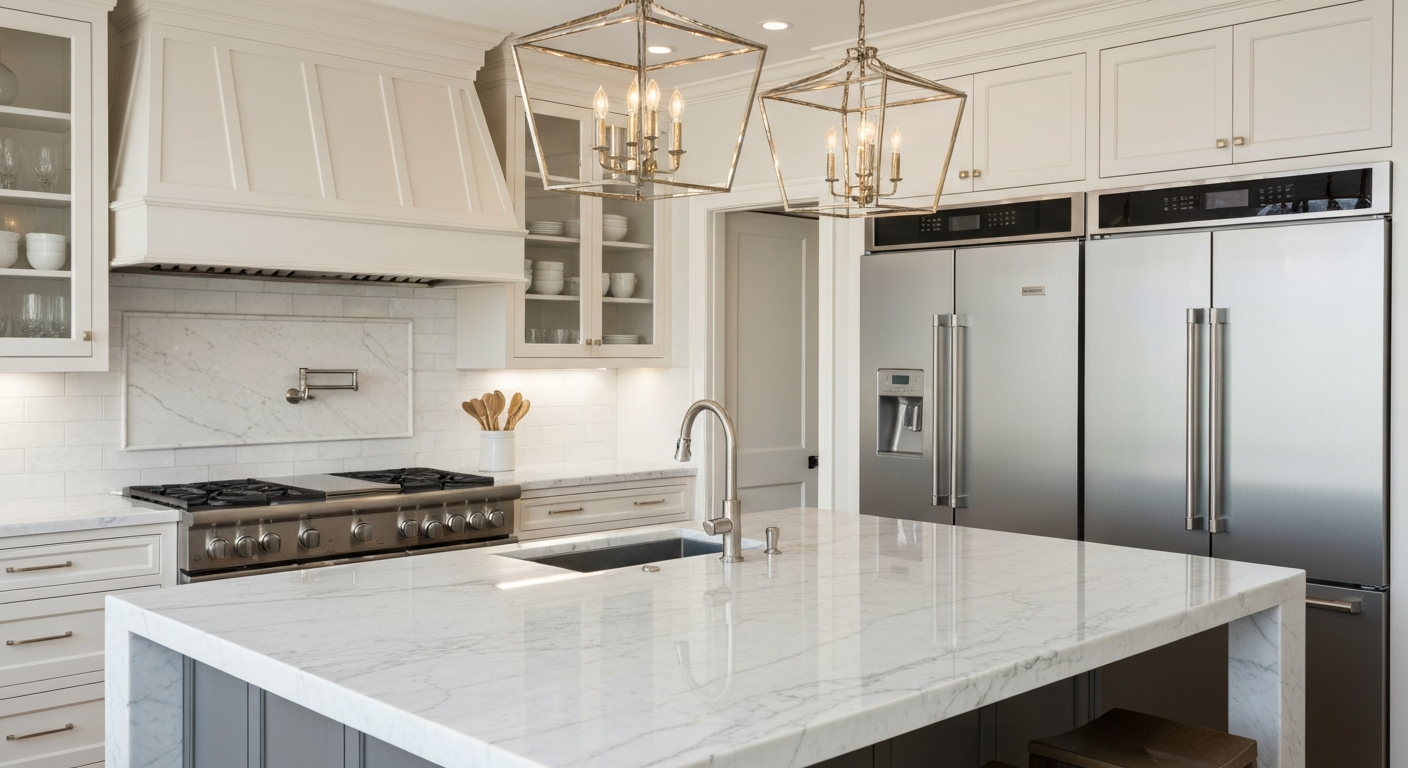
Phase 4: The Kitchen, Where Flips Are Won
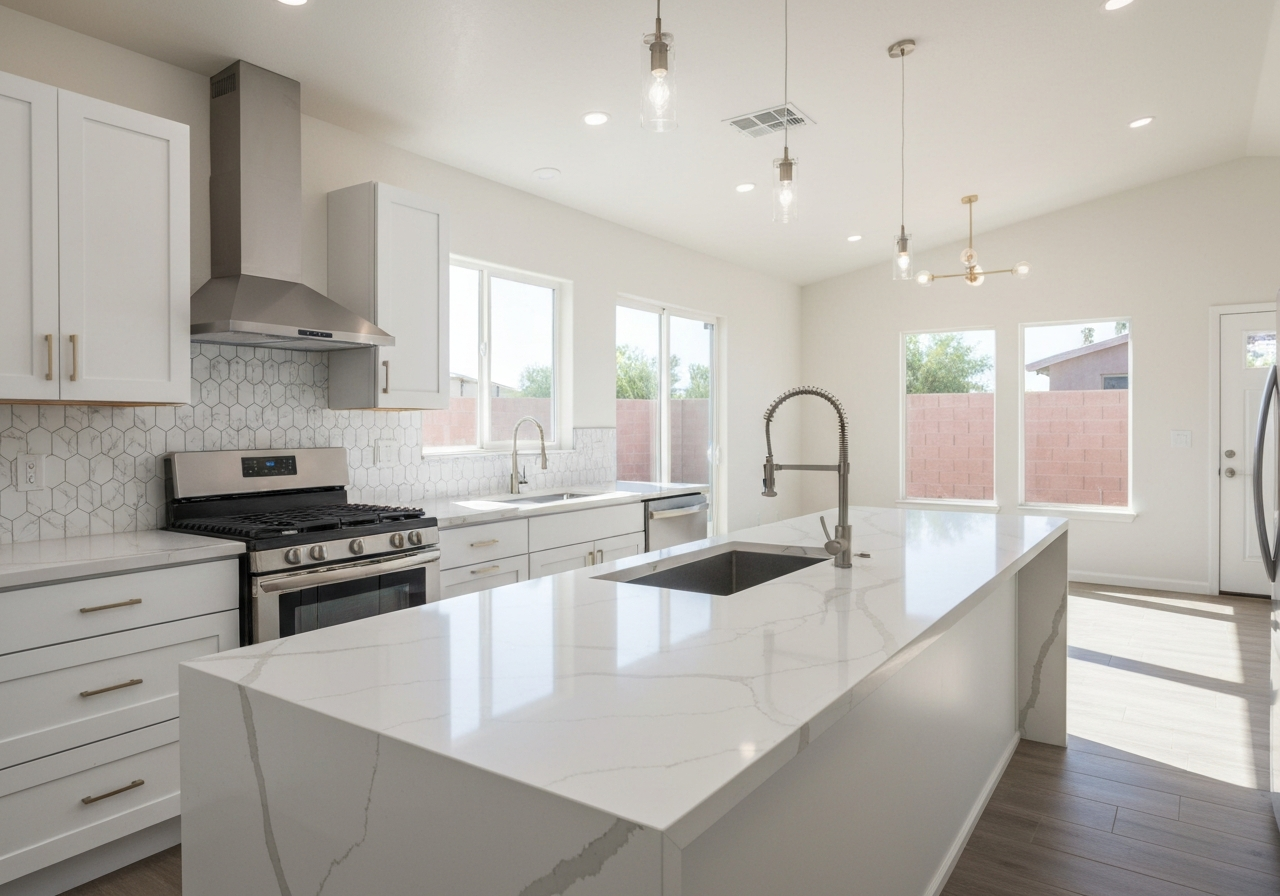
The kitchen sells the house, so this is where a disproportionate share of the budget and attention should go. The three highest-impact upgrades: For a line-by-line budget, see our kitchen remodel cost guide.
- Expand the cabinets and counters. Adding a cabinet wall by the refrigerator and extending the counter into an eat-in peninsula transforms both storage and how big the kitchen feels.
- Solid-surface countertops. Quartz in a white marble-look with soft veining hits the clean, modern note buyers want. In the Phoenix area, installed quartz around $50 per square foot is a fair price.
- A tile backsplash with personality. A handmade-look ceramic mosaic, for example an elongated hexagon in a soft finish, bridges traditional and modern.
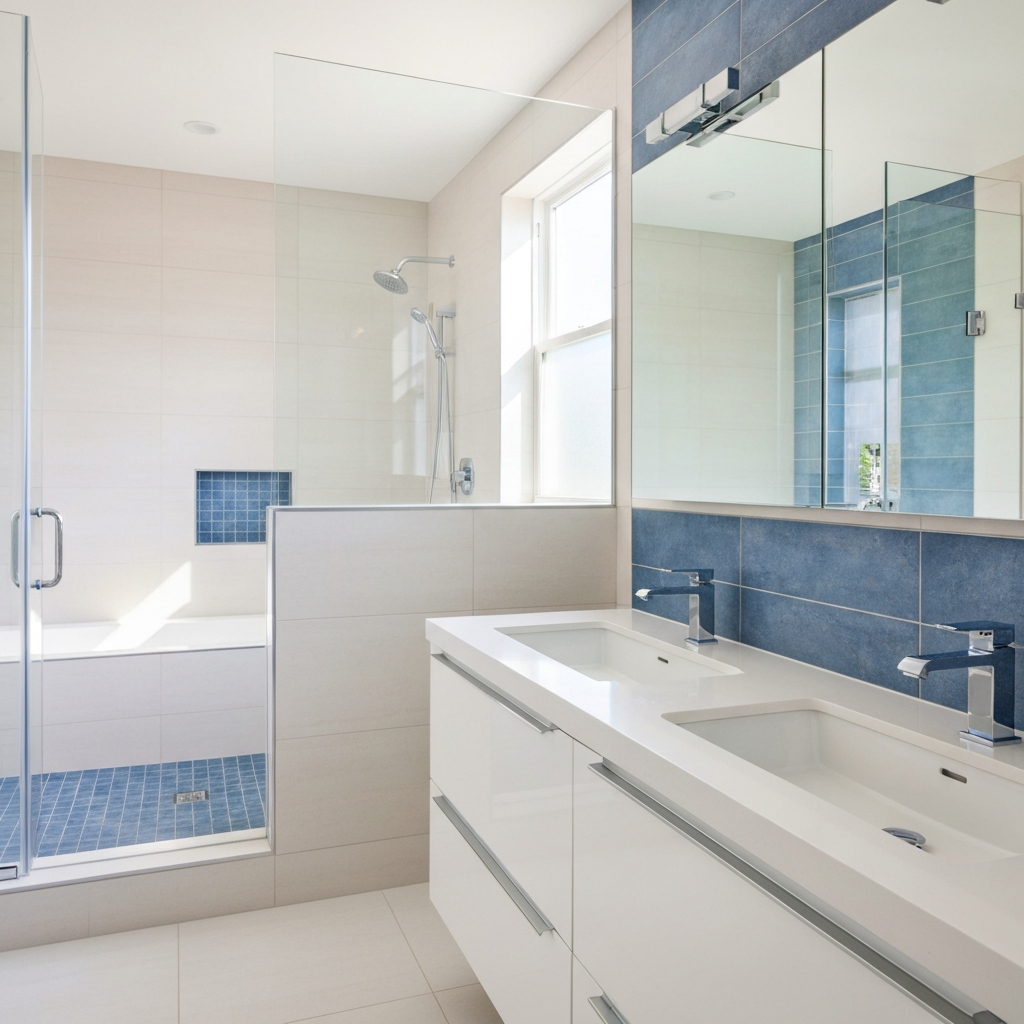
Phase 5: Bathrooms and the Custom Shower
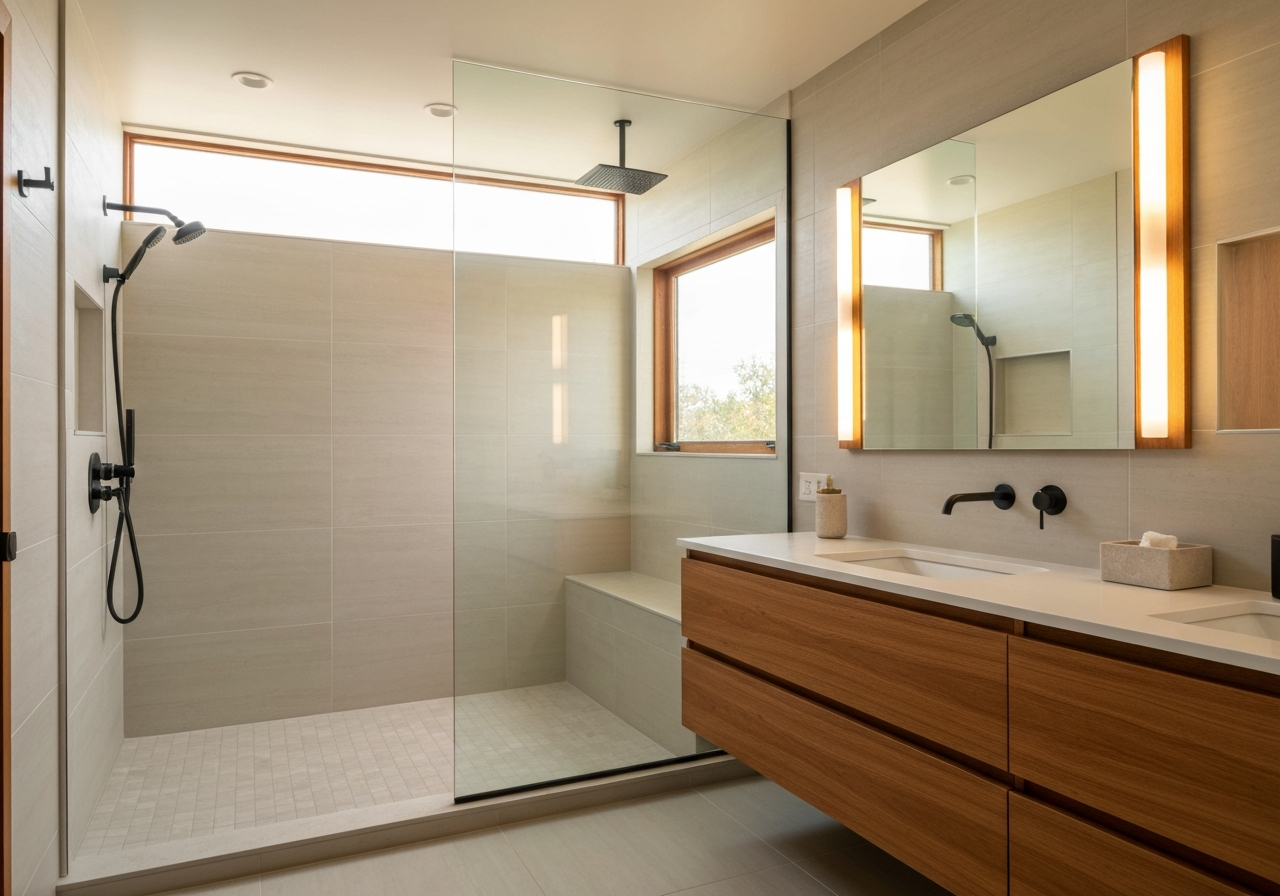
Ranch bathrooms are often the weakest rooms in the house, which makes them a big opportunity. The headline project is frequently converting a dated tub-and-toilet layout, or a cramped toilet nook, into a real walk-in shower. Our bathroom remodel cost guide breaks down the line items.
If you build your own mortar-bed shower pan, take the waterproofing seriously. This is not the place to cut corners, because a leak behind new tile is exactly the kind of callback that erases a flip's profit.
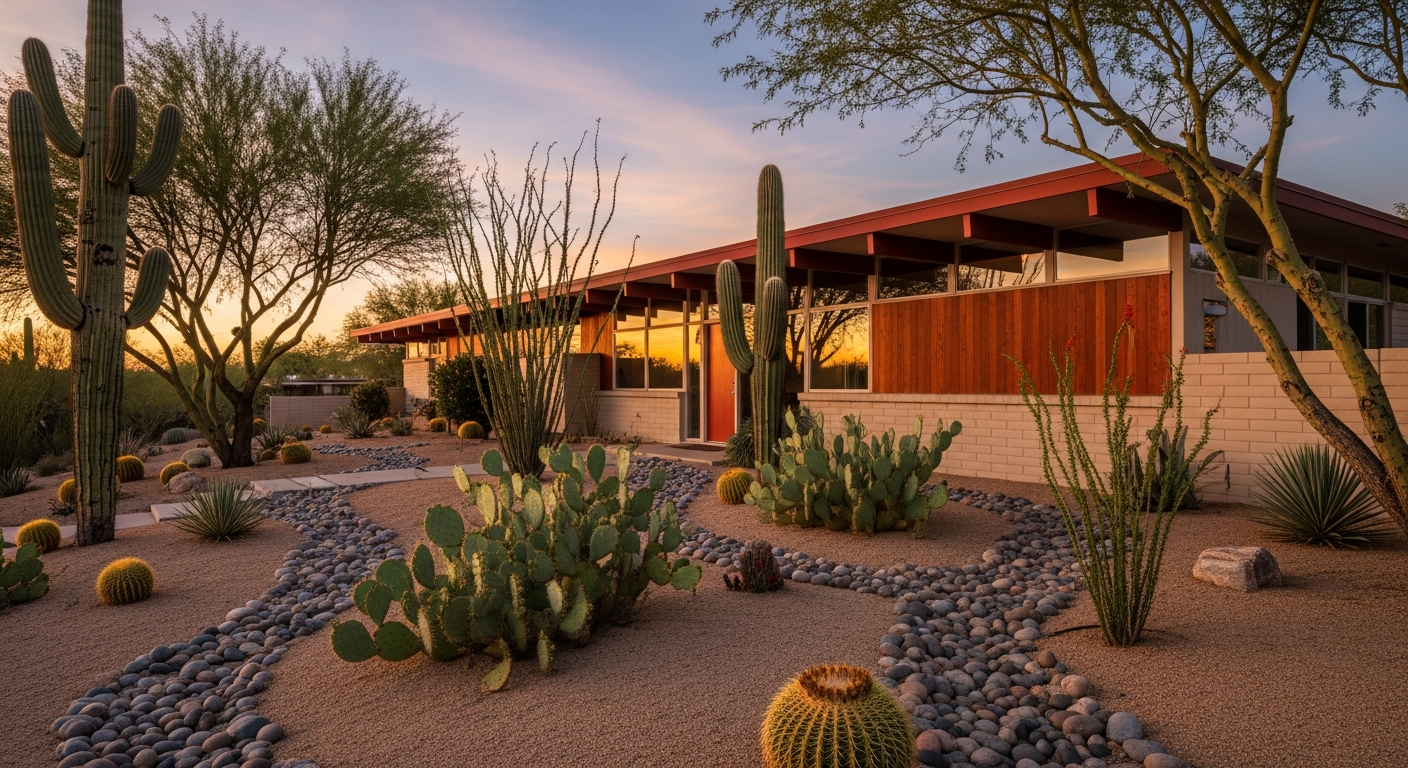
Phase 6: Curb Appeal and the Exterior
In Arizona, the outside of the house does heavy lifting. Prioritize concrete and hardscape, warm wood accents (like cedar porch beams), and desert-smart landscaping. For return figures on exterior projects, see our guide to maximizing curb appeal.
Design Choices That Sell in the Arizona Market
Renovating for Phoenix is not the same as renovating for the Midwest. A few market-specific choices consistently pay off: For a broader look at which upgrades pay back, see home remodeling trends and ROI.
Lean into desert modern. Clean lines, earth tones, natural materials, and a palette that connects to the Sonoran landscape resonate with buyers here.
Prioritize energy efficiency. Arizona's summers are brutal. Smart thermostats, improved insulation, and energy-efficient windows all add real appeal.
Sell the indoor-outdoor lifestyle. Covered patios, pergolas, and functional outdoor living space extend the home's usable footprint.
Financing Your Phoenix Flip
Most investors use private money or hard money loans for the acquisition and rehab, but if you are looking to tap into existing equity for your next project, understanding what a home equity loan is and how it works is essential. For those building new additions, our construction loan guide (comparing timelines) provides a useful benchmark.
Frequently Asked Questions
Is Phoenix still a good market for flipping houses in 2026? Yes, with discipline. Arizona remains one of the top states for fix-and-flip activity, and Phoenix continues to see healthy demand and rising equity.
How much does it cost to renovate a 1950s ranch in Phoenix? Most full renovations in Arizona run from roughly $20,000 to $70,000, with a down-to-the-studs ranch typically landing in the mid-$60,000s or higher.
The Bottom Line
A 1950s ranch in Phoenix is one of the best canvases a flipper can find: good bones, a great lot, and a floor plan ready to be opened up in a market that rewards clean, modern, move-in-ready homes. Win the deal at acquisition with honest ARV math, run the renovation in disciplined phases, and respect the mid-century character that buyers here pay for.