Interior Design Analysis Before Building: The Complete Pre-Construction Guide
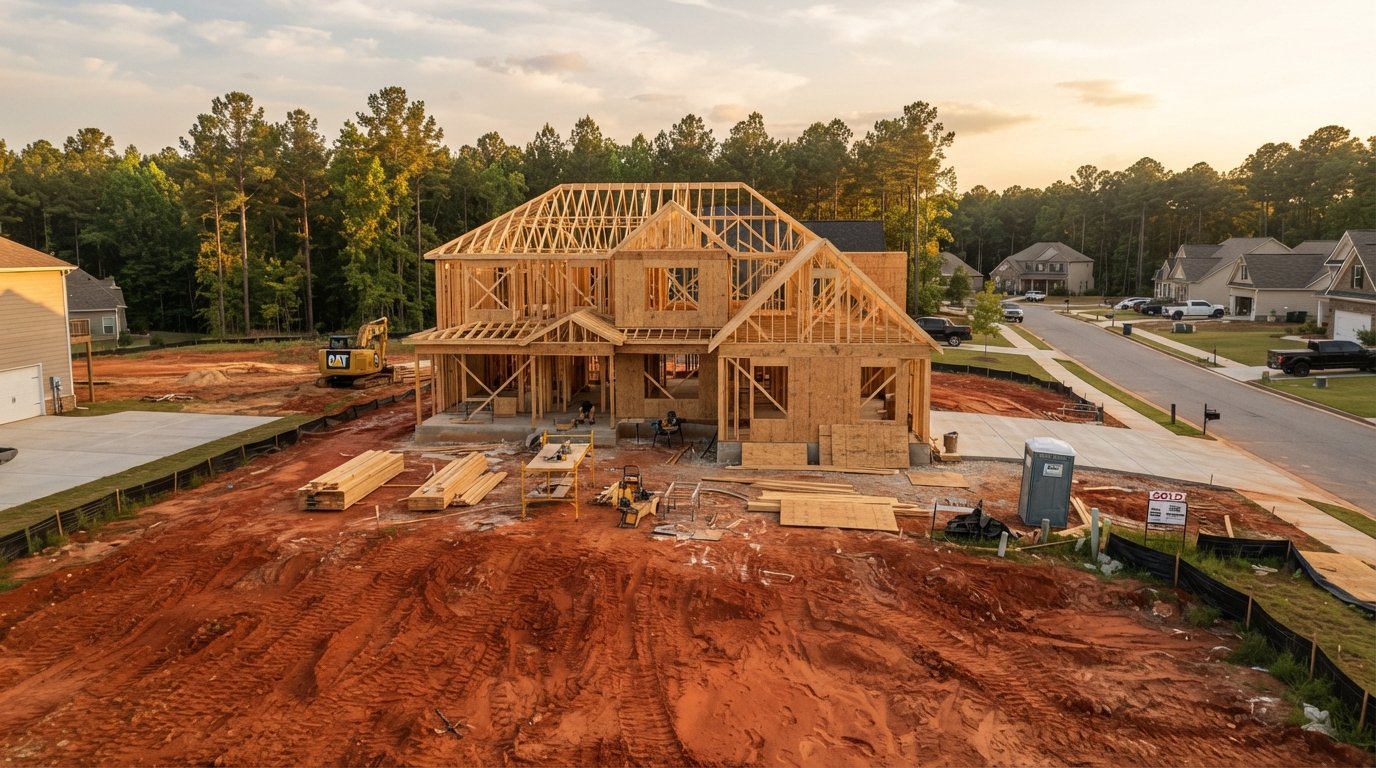
Most homeowners view interior design as the final step of building a house. They focus on the foundation, framing, and roofing first. They leave decisions about cabinetry, lighting placement, and spatial flow for later. This sequence is one of the most expensive mistakes in residential construction.
Interior design analysis must happen before the first shovel hits the dirt. True interior design is not about selecting decorative pillows or paint colors. It is about spatial engineering, electrical rough-ins, plumbing pathways, and structural alignment. When you finalize these elements early, you eliminate the change orders that destroy construction budgets.
The American Institute of Architects reports that changes made during the framing phase cost exponentially more than changes made on paper. Moving a kitchen island by two feet seems simple. If the concrete slab is already poured, that simple change requires trenching, new plumbing lines, and structural engineering review.
This guide breaks down exactly how to conduct a comprehensive interior design analysis before building. We cover space planning, mechanical integration, material lead times, and the exact steps to align your interior vision with your general contractor's schedule.
For a complete overview of how design decisions shape your entire project, read our guide to Home Construction Design: The Ultimate Planning Guide.
Why Pre-Construction Design Analysis Saves Money
The construction industry operates on tight margins and strict schedules. Every time a homeowner delays a design decision, the entire project timeline is at risk. When materials are not ordered on time, subcontractors must pause their work. This idle time costs money.
General contractors build exactly what is on the approved blueprints. If your blueprints do not specify the exact location of a floor outlet for your living room sofa, the electrician will not install one. Adding that outlet after the drywall is finished will cost five times more than installing it during the rough-in phase.
A pre-construction interior design analysis creates a master plan. It forces you to make every functional and aesthetic decision before the builder prices the job. This gives you a highly accurate construction bid and virtually eliminates unexpected costs.
The Cost of Late Decisions
Consider the data on change orders. A change order is a formal document that alters the original construction contract. The National Association of Home Builders notes that change orders are the primary driver of budget overruns in custom home builds.
When you change your mind about a bathtub size after the plumbing is roughed in, you pay for the new tub. You also pay the plumber to move the pipes, the framer to adjust the alcove, and the general contractor a markup on all of the above.
| Design Element | Cost to Change on Paper | Cost to Change Post-Framing | Cost to Change Post-Drywall |
|---|---|---|---|
| Kitchen Island Location | $0 | $1,500 to $3,500 | $5,000 to $12,000 |
| Shower Drain Position | $0 | $800 to $2,000 | $3,000 to $7,000 |
| Recessed Lighting Plan | $0 | $300 to $800 | $1,500 to $4,000 |
| Window Size or Location | $0 | $2,000 to $5,000 | Structural review required |
| Wall Mounted Toilet | $0 | $1,200 to $2,500 | $4,000 to $8,000 |
For a full breakdown of national and state-level construction budgets, see our Complete State-by-State Guide on Construction Costs.
Step 1: Spatial Planning and Traffic Flow
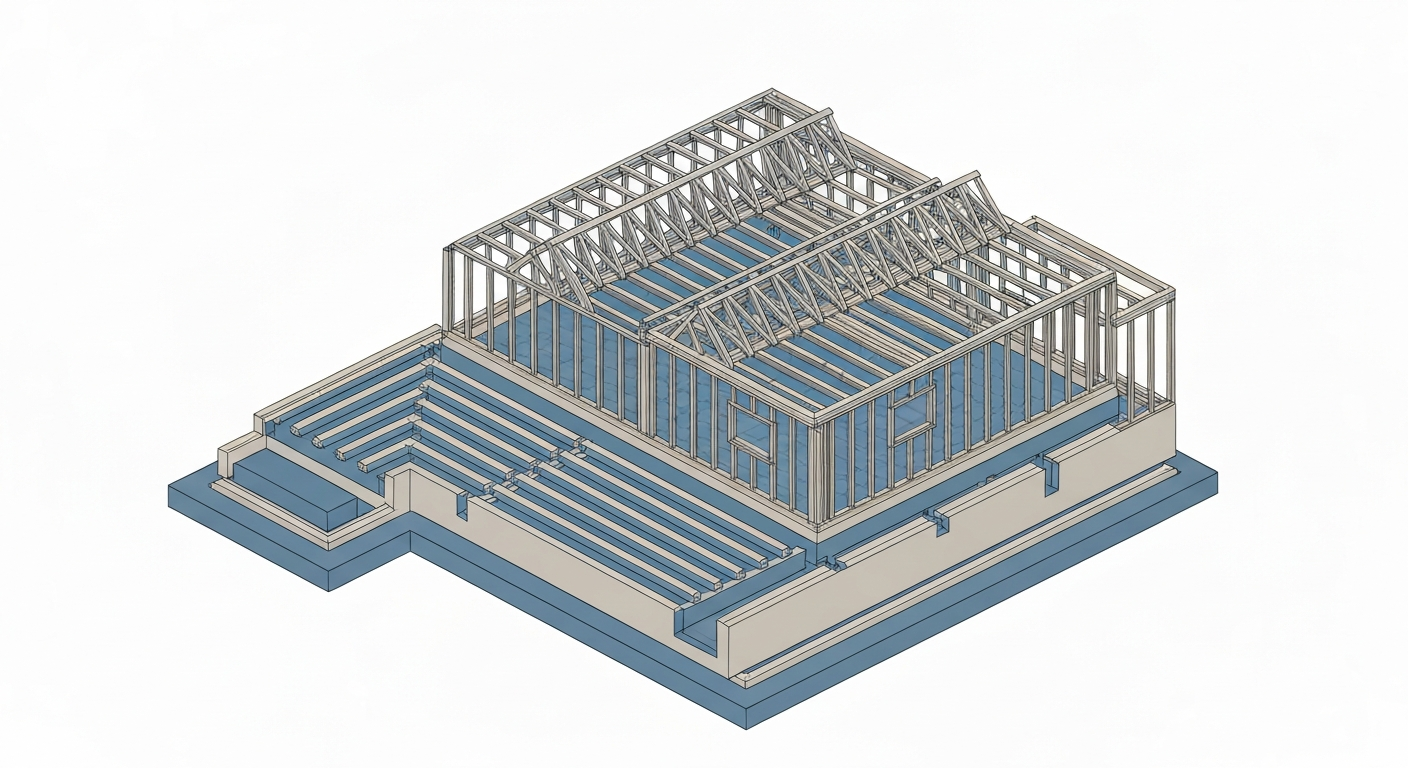
Space planning is the mathematical foundation of interior design. It involves mapping out exactly how people will move through the home. You must account for furniture dimensions, door swings, and walking clearances. The layout also has to work with the structure, so read how structural design decisions affect cost before you lock the plan.
A common mistake is designing a massive living room without planning the furniture layout. You might end up with a room so large that standard sofas look tiny, or a layout where the television wall is awkwardly far from the seating area.
To conduct a spatial analysis, ask your architect or designer for a furniture plan. This is a floor plan with to-scale furniture drawn in. Verify that there is at least 36 inches of walking space in major hallways. Ensure dining chairs have enough room to pull out without hitting a wall.
Step 2: Electrical and Lighting Integration
Lighting is the most technical aspect of interior design. It must be planned months before the drywall goes up. A proper lighting plan includes ambient lighting, task lighting, and accent lighting.
If you plan to hang a chandelier over your dining table, the electrician needs to know the exact center point of the table. If you want wall sconces in the bathroom, the framer needs to install backing boards to support their weight.
Smart home integration also requires early planning. Automated shades need hardwired power connections hidden in the window frames. Smart lighting panels require specific low-voltage wiring. Discuss these needs during your interior design analysis.
To understand how these choices integrate with your overall build budget, explore our Cost-Effective Home Building Tips.
Step 3: Plumbing and Cabinetry Alignment
Kitchens and bathrooms are the most expensive rooms to build per square foot. They require perfect alignment between the plumber, the electrician, and the cabinet maker. For real prices, see our kitchen remodel cost guide and bathroom remodel cost breakdown.
If you choose a farmhouse sink, the cabinet base must be custom-built to support it. If you want a pot filler over the stove, the plumber must run a water line to that exact wall location during the rough-in phase.
Your interior design analysis must finalize all appliance selections early. Refrigerators, ranges, and dishwashers have specific clearance requirements. The cabinet maker cannot finalize the kitchen layout until they have the exact specification sheets for every appliance.
Step 4: Material Selection and Lead Times
The global supply chain dictates construction schedules. Custom windows, specialty tiles, and high-end plumbing fixtures often have lead times of 12 to 16 weeks.
If you wait until the framing is complete to order your bathroom tile, your project will stall. The tile setter will have nothing to install, and the plumber cannot install the final fixtures until the tile is done.
A comprehensive pre-construction analysis includes a full material schedule. This document lists every finish material, its supplier, its lead time, and its installation requirements. Ordering these materials before construction begins is the best way to guarantee an on-time delivery.
How Interior Design Affects Your Construction Loan
Lenders care deeply about your interior design choices. When you apply for a construction loan, the bank orders an appraisal based on your plans and specifications.
High-end finishes increase the appraised value of the home. This gives you a better loan-to-value ratio. However, if your specifications are vague, the appraiser will assume builder-grade materials. This results in a lower appraisal, which can limit your borrowing power.
As we noted in our comprehensive loan guides, lenders like First Merchants Bank require a highly detailed line-item budget before approval. A thorough interior design analysis provides the exact numbers needed for this budget. It proves to the lender that you have a realistic, well-researched financial plan.
Read our full guide on Home Construction Loan Guide: Types, Requirements, and How to Apply to understand exactly what lenders need from your documentation package.
Common Pre-Construction Design Mistakes
Even experienced builders make design mistakes. Here are the most common errors that a thorough analysis can prevent.
Ignoring natural light is a massive error. You must analyze how the sun moves across your lot. Place windows strategically to capture morning light in the kitchen and avoid harsh afternoon glare in the living room.
Underestimating storage needs is another frequent issue. Modern homes require dedicated space for vacuums, bulk pantry items, and seasonal decor. Analyze your current storage and add at least twenty percent more capacity to your new design.
Failing to plan for future accessibility can cost you later. Consider installing backing blocks in bathroom walls now, so grab bars can be easily added in the future. Wider doorways and zero-threshold showers are excellent design choices that improve long-term livability.
The Role of the Interior Designer
Hiring an interior designer before construction begins is a strategic investment. A qualified designer acts as a liaison between you and the general contractor. They speak the technical language of construction.
They will produce detailed elevation drawings for the trim carpenters. They will create tile layout diagrams for the installers. They will review the electrician's lighting plan to ensure it highlights the architectural features of the home.
This level of documentation removes guesswork from the job site. When subcontractors have clear, detailed instructions, they work faster and make fewer mistakes.
For guidance on vetting and selecting the right professionals for your project, read our guide on how to choose a home builder or contractor.
Key Takeaways for Homeowners
Interior design analysis is a critical pre-construction phase, not a decorative afterthought. It aligns your aesthetic vision with the structural and mechanical realities of building a house.
Finalize your space planning, furniture layout, and lighting design before the foundation is poured. Select and order all long-lead materials, such as custom windows and specialty tiles, well in advance.
Provide your general contractor and your lender with a highly detailed specification sheet. This ensures an accurate construction bid, a smoother loan approval process, and a project that finishes on time and on budget.
Frequently Asked Questions
When should I hire an interior designer for a new build? You should hire an interior designer at the very beginning of the project, ideally at the same time you hire your architect. The designer will ensure the architectural floor plan accommodates your furniture, lighting needs, and daily lifestyle habits before the plans are finalized.
Does interior design impact construction loan approval? Yes, it does. Lenders require a detailed specification sheet to appraise the future value of the home. Clear, high-quality interior design selections result in a more accurate and often higher appraisal. This improves your loan-to-value ratio and strengthens your loan application.
What is a change order and why are they expensive? A change order is a formal amendment to the construction contract, requested when you change a design element after work has begun. They are expensive because they often require undoing completed work, ordering new materials, rescheduling subcontractors, and paying contractor markup fees.
How do I plan lighting before the house is built? You plan lighting by creating a reflected ceiling plan with your designer. This plan maps out every recessed light, chandelier, and wall sconce based on your furniture layout. You must finalize this before the electrical rough-in phase to ensure wires are run to the exact correct locations.
Why is space planning important in new construction? Space planning ensures the rooms are correctly proportioned for their intended use. It prevents common issues like doors swinging into cabinets, dining rooms that are too narrow for a table, or living rooms where the television is positioned too far from the seating area.