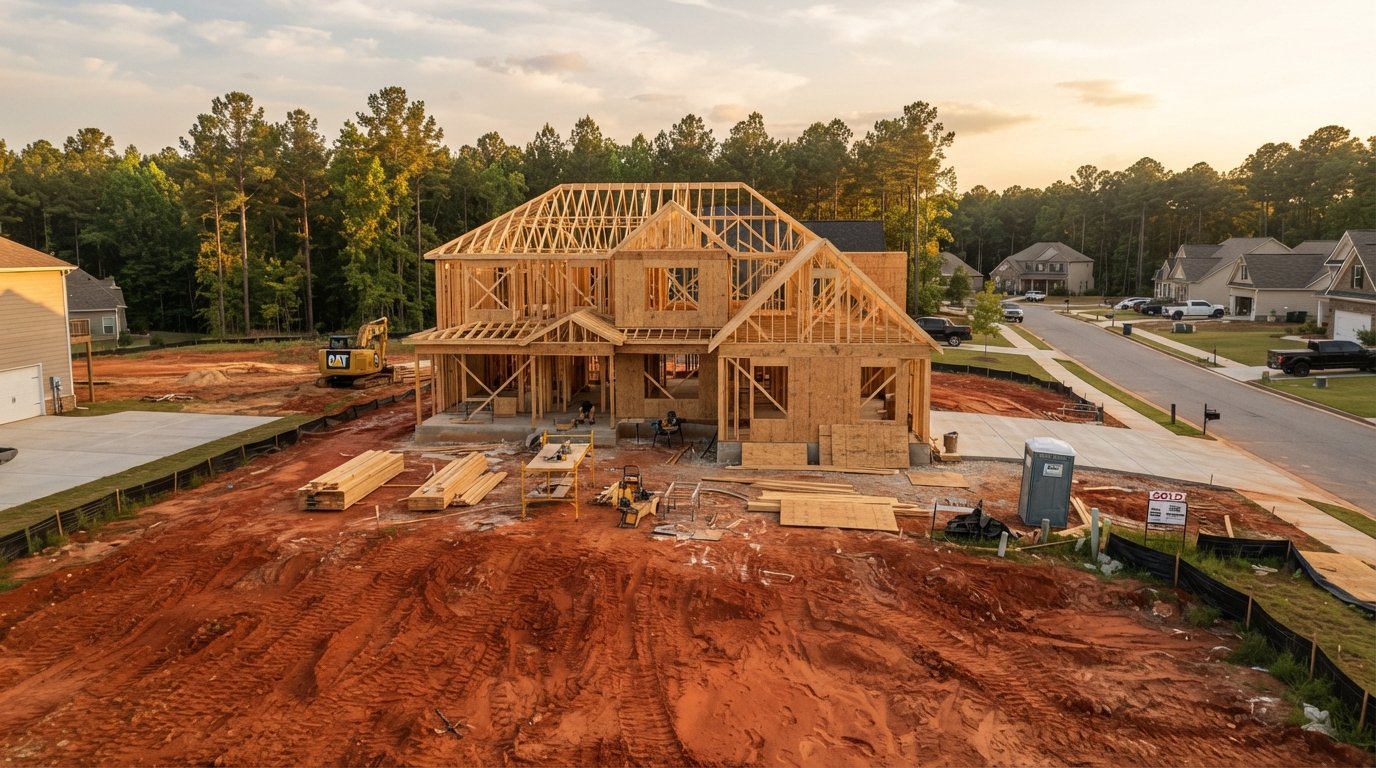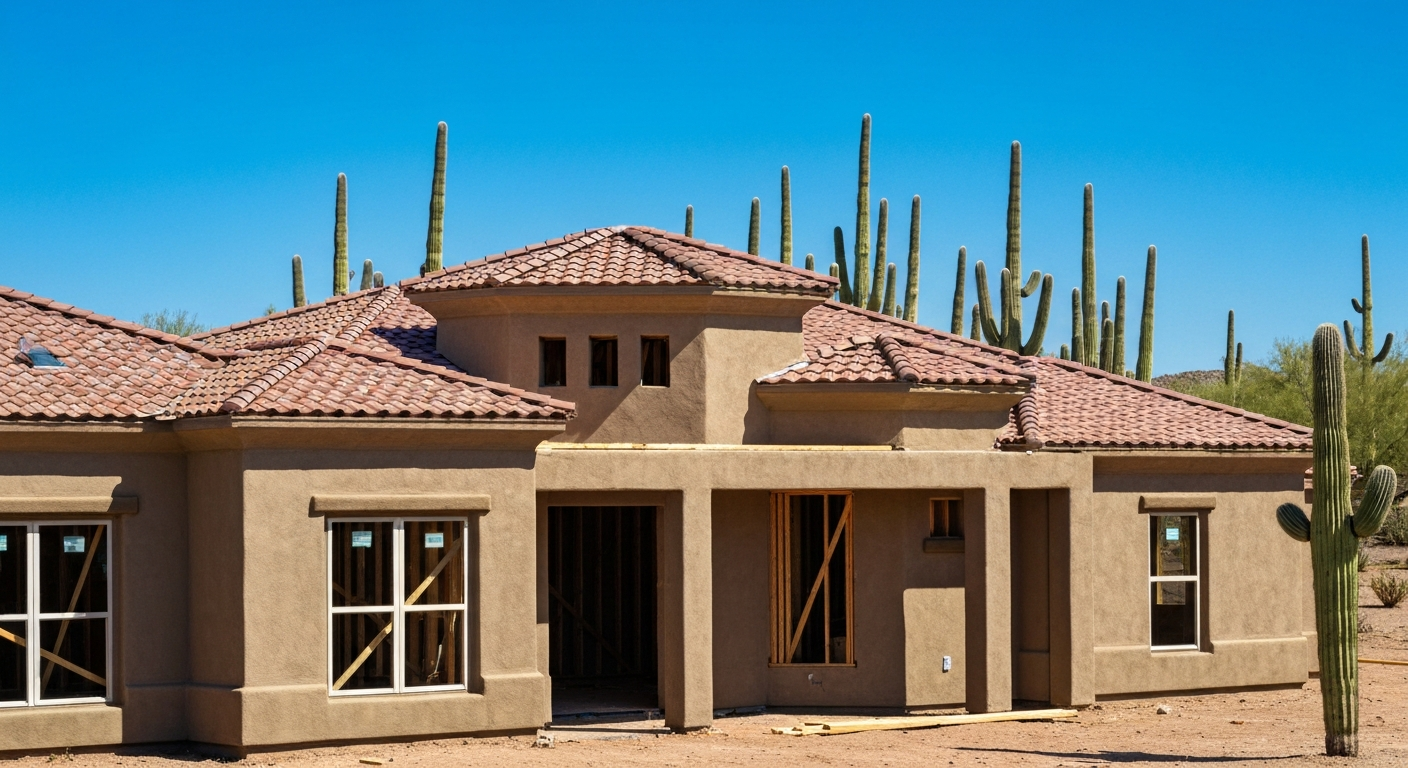
Home construction design is the foundation of every successful residential project. It is the critical phase where abstract ideas are translated into actionable blueprints, directly influencing the project's timeline, budget, and long-term property value.
A well-executed residential design planning process ensures that functionality aligns with aesthetics, while a poorly planned one often leads to expensive change orders and structural compromises.
This guide breaks down the residential construction strategy from concept to execution.
understanding the architectural home planning process is essential for keeping costs predictable and ensuring structural integrity.
Understanding Home Construction Design
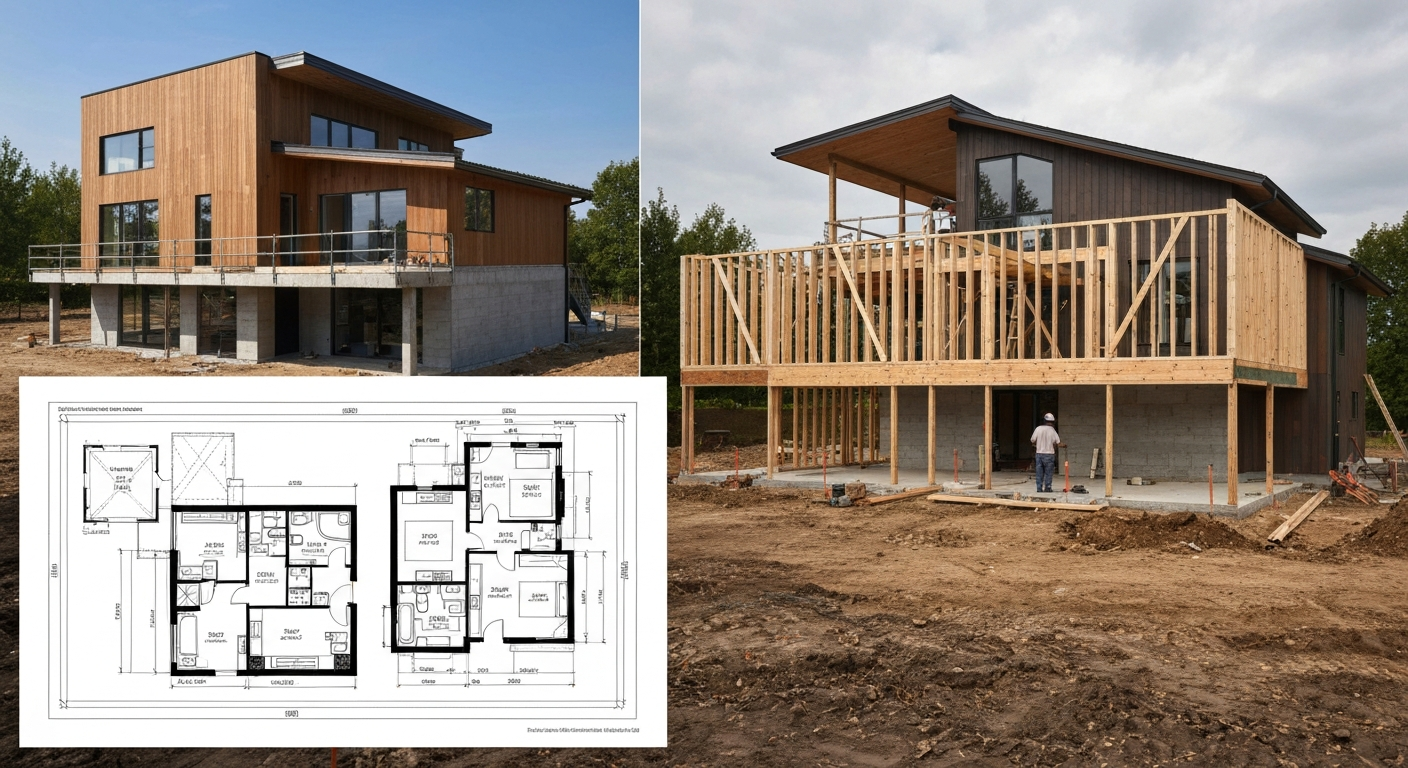
Home construction design is the comprehensive process of planning, engineering, and detailing a residential structure before any physical building begins. It bridges the gap between architectural vision and practical construction execution.
The primary objective of this phase is not just to create a beautiful floor plan, but to produce a fully coordinated set of construction documents. These documents dictate how the home will be built, what materials will be used, and how the mechanical systems will integrate with the structural framework. (For a deeper look at the structural side, see our guide on new home structural design.)
While the design phase focuses on what will be built, the construction phase focuses on how to execute those plans efficiently.
While the design phase focuses on what will be built, the construction phase focuses on how to execute those plans efficiently.
The Core Elements of Residential Design Planning
A successful custom home planning process requires coordination across multiple disciplines. Skipping or rushing any of these core elements typically results in budget overruns during the build.
Site Analysis Before drafting a house layout development plan, the physical characteristics of the lot must be evaluated. Soil composition, topography, solar orientation, and local zoning setbacks dictate the structural foundation and the home's footprint.
Floor Plan Development Space utilization strategy is central to daily livability. This involves zoning private versus public spaces, ensuring logical traffic flow, and sizing rooms appropriately for their intended use and future adaptability.
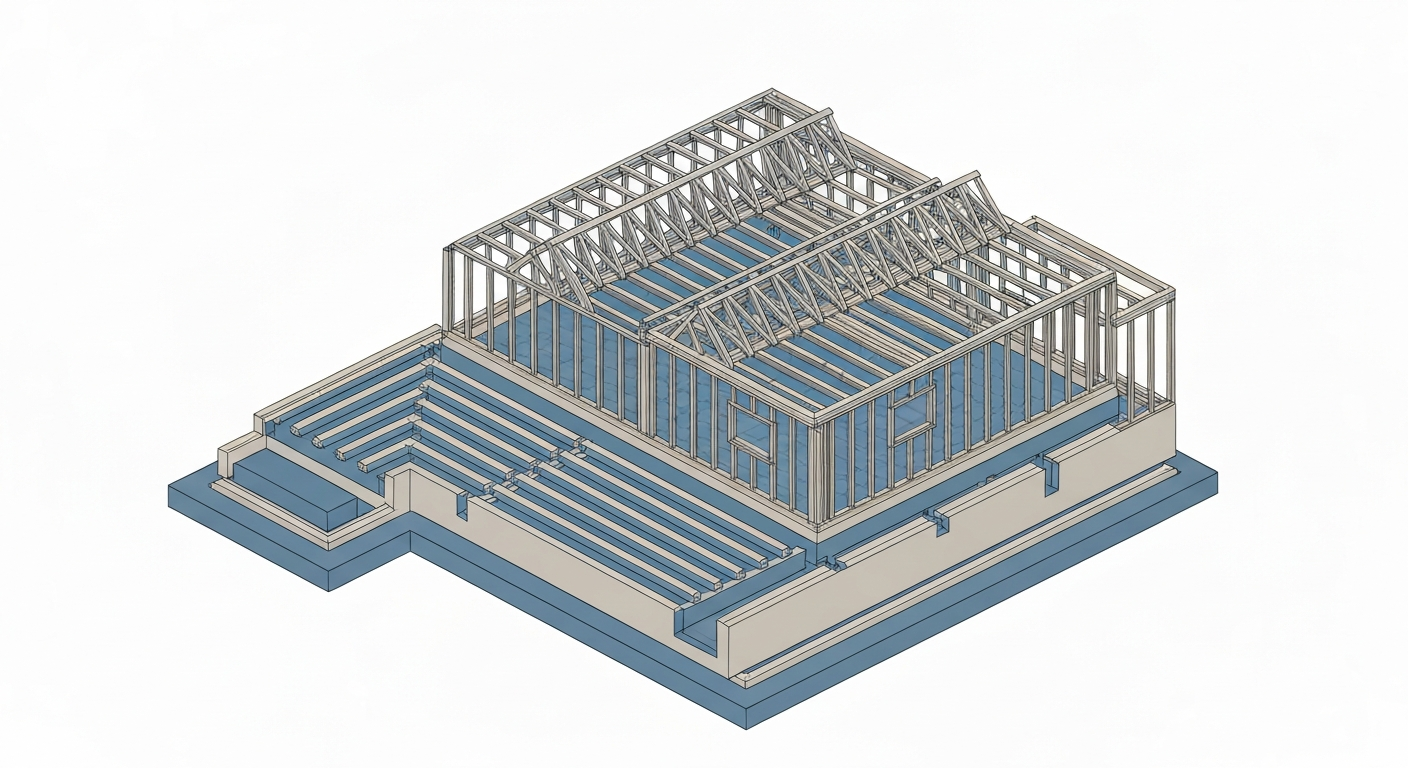
Structural Planning Structural engineering ensures the home can withstand local environmental loads, including wind, snow, and seismic activity. This determines the framing requirements, foundation type, and load-bearing wall placements.
Mechanical Systems Coordination HVAC, plumbing, and electrical systems must be integrated into the architectural home planning early. Failing to allocate space for ductwork or plumbing runs often leads to awkward soffits or compromised ceiling heights.
Energy Efficiency Planning Building performance planning involves selecting appropriate insulation, specifying high-performance windows, and orienting the home to maximize passive solar heating and natural ventilation.
Material Selection Strategy Choosing durable, climate-appropriate materials impacts both the upfront construction cost and the long-term maintenance requirements of the property.
Accessibility Considerations Incorporating aging-in-place features, such as wider doorways and zero-threshold showers, future-proofs the home and increases its broad market appeal.
| Design Element | Primary Purpose | Impact on Construction |
|---|---|---|
| Site Analysis | Determine lot constraints and opportunities | Dictates foundation type and excavation costs |
| Floor Plan | Optimize space and daily functionality | Drives overall square footage and framing complexity |
| Structural Planning | Ensure safety and load distribution | Determines material requirements (e.g., steel vs. wood) |
| Systems Coordination | Integrate HVAC, plumbing, and electrical | Prevents mid-build clashes and redesigns |
| Energy Strategy | Maximize efficiency and comfort | Influences insulation, window specs, and HVAC sizing |
The Home Construction Design Process
The home development workflow typically follows a structured sequence. Rushing through these phases is a common mistake that compromises the final build.
Phase 1: Discovery and Goal Definition This initial stage involves establishing the project budget, defining the scope, and identifying the homeowner's lifestyle needs. It is the time to align expectations with financial realities.
Phase 2: Conceptual Design Architects or residential designers create preliminary sketches and rough floor plans. This phase explores spatial relationships and exterior massing without committing to detailed engineering.
Phase 3: Design Development The conceptual plans are refined into precise, scaled drawings. Material selections begin, and the structural planning takes shape. This is typically when preliminary pricing estimates are gathered from general contractors.
Phase 4: Construction Documentation This is the most critical phase for cost control. The design team produces the final blueprints, structural engineering plans, and detailed specifications. These are the documents the builder will use to execute the project.
Phase 5: Permitting and Pre-Construction Review The completed construction documents are submitted to the local building department for review and approval. Concurrently, the builder finalizes subcontractor bids and the project schedule.
Phase 6: Construction Support Even with perfect plans, questions arise in the field. The design team remains involved to clarify details, review shop drawings, and ensure the architectural intent is maintained during construction.
(For a deeper dive into the building phases, see our guide on the stages of building a house.)
Common Design Mistakes That Increase Building Costs
According to industry data, the majority of budget overruns in residential construction originate from decisions made—or missed—during the design phase.
Poor Space Planning: Designing excessively large homes with inefficient circulation spaces (like oversized hallways) increases the cost per square foot without adding usable living area.
Unrealistic Budgets: Designing a home without continuous cost-checking leads to "value engineering" later, where quality is stripped out to meet the budget.
Inadequate Site Evaluation: Failing to conduct soil tests or topographical surveys early can lead to massive, unexpected excavation or foundation costs once construction begins.
Late Design Changes: Modifying a floor plan after construction documentation is complete—or worse, after framing has started—carries a massive cost premium.
Underestimating Future Needs: Failing to plan for future additions, aging-in-place, or changing family dynamics can force expensive renovations down the line.
Ignoring Energy Performance: Designing complex rooflines or excessive glazing without considering the HVAC implications leads to homes that are expensive to heat and cool.
Design Trends Shaping Modern American Homes
The residential architecture landscape is shifting toward adaptability, efficiency, and resilience.
Open-Concept Layouts: While still popular, modern open plans are evolving to include "messy kitchens" or sculleries to hide prep work, and dedicated quiet zones for remote work.
Aging-in-Place Design: Features like main-floor primary suites, curbless showers, and minimal stairs are becoming standard, reflecting demographic shifts and a desire for long-term usability.
Energy-Efficient Homes: High-performance building envelopes, advanced framing techniques, and solar-ready electrical panels are moving from luxury upgrades to baseline expectations.
Smart Home Integration: Hardwiring for security, automation, and energy monitoring is now a fundamental part of the electrical design phase.
Indoor-Outdoor Living Spaces: Large multi-panel sliding doors and covered, heated patios extend the usable square footage of the home year-round.
Resilient Construction: In areas prone to extreme weather, designs increasingly incorporate impact-resistant windows, elevated foundations, and fire-resistant exterior cladding.
| Traditional Approach | Modern Design Strategy | Potential Benefits |
|---|---|---|
| Compartmentalized rooms | Zoned open-concept with flex spaces | Better natural light, adaptable use |
| Minimum code insulation | High-performance building envelope | Lower utility costs, improved comfort |
| Standard 2x4 framing | Advanced 2x6 framing techniques | Better thermal break, reduced lumber waste |
| Reactive climate control | Passive solar and smart HVAC zoning | Reduced energy consumption |
| Cosmetic focus | Performance and durability focus | Lower long-term maintenance costs |
How Design Decisions Affect Construction Costs
Every line drawn on a blueprint has a direct financial consequence. Understanding this relationship is key to keeping your project on budget.
Complexity and Labor: A simple rectangular footprint with a gable roof is the most cost-effective structure to build. Every corner, bump-out, and roof valley adds framing labor, flashing complexity, and potential leak points.
Material Selection: Specifying custom or non-standard materials (like oversized windows or exotic hardwoods) increases both the material cost and the specialized labor required to install them.
Construction Timelines: Complex architectural designs require more time to frame, more time to seal, and more time to finish. Extended timelines increase the builder's overhead and the carrying costs of your construction loan.
Maintenance and Long-Term ROI: Investing in durable exterior materials and high-efficiency systems during the design phase increases the upfront cost but significantly lowers lifecycle maintenance costs, ultimately improving the home's long-term ROI.
(Learn more about managing your budget in our guide to cost-effective home building tips.)
The Role of Architects, Designers, Engineers, and Builders
A successful design-build process requires a coordinated team.
Architects and Residential Designers: They translate your vision into a functional floor plan and aesthetic design, ensuring the home meets local zoning and building codes.
Structural Engineers: They calculate the loads and specify the framing, foundation, and structural connections required to keep the building safe and stable.
MEP Consultants: For complex or high-performance homes, Mechanical, Electrical, and Plumbing engineers design the systems to ensure efficiency and comfort.
General Contractors and Builders: They provide constructability feedback and cost estimating during the design phase, ensuring the architectural plans can actually be built within the established budget.
Building for Performance, Durability, and Future Value
A well-designed home is more than just visually appealing; it is engineered for long-term performance.
Climate Resilience: Designing for the specific local climate—whether that means deep roof overhangs for shade in the South or steep roof pitches for snow loads in the North—protects the structure and reduces maintenance.
Energy Efficiency: A tighter building envelope, proper solar orientation, and right-sized HVAC systems lower operational costs and increase indoor comfort.
Adaptability: Designing flex spaces that can transition from a nursery to an office to a main-floor bedroom ensures the home remains functional as your needs change.
Lifecycle Cost Considerations: Evaluating materials based on their lifespan and maintenance requirements, rather than just their initial purchase price, is the hallmark of professional residential construction strategy.
Ready to Design Your Dream Home?
Frequently Asked Questions
What is included in home construction design? Home construction design includes site analysis, conceptual floor plans, exterior elevations, structural engineering, mechanical systems coordination, material specifications, and the final construction documents required for permitting and building.
How long does the design phase take? The design phase for a custom home typically takes between 3 to 6 months, depending on the complexity of the project, the speed of client decision-making, and the current workload of the design team.
Should I hire an architect or a design-build company? An architect provides independent design expertise and acts as your advocate, while a design-build company offers a streamlined process with a single point of responsibility for both design and construction. The best choice depends on your budget, project complexity, and preferred management style.
Can design mistakes delay construction? Yes. Incomplete or uncoordinated construction documents are a primary cause of construction delays. If the structural plans clash with the HVAC layout, work must stop while the design team issues a revision.
How much does residential design impact project cost? Design decisions dictate up to 80% of the final construction cost. The home's size, footprint complexity, roofline, and structural requirements lock in the baseline costs before any finishes are selected.
What makes a home design future-proof? A future-proof design incorporates flexible spaces that can serve multiple functions over time, aging-in-place features like wider doorways and main-floor living, and high-performance energy systems that anticipate rising utility costs.
How does site analysis affect the home design? Site analysis determines how the home should be oriented for natural light and passive heating, where the foundation should be placed to minimize excavation costs, and how to manage water drainage away from the structure.
Why is structural planning done before interior design? Structural planning dictates where load-bearing walls, columns, and mechanical chases must be located. Interior design must work within these structural constraints; otherwise, the layout may be impossible or prohibitively expensive to build.