Quick answer: Building a house in Florida takes 12 to 24 months for a custom home, 9 to 12 months for a production or tract home, and as little as 4 to 6 months for a modular build. The construction phase by itself usually runs 4 to 10 months. The rest of your timeline goes to land, design, financing, and permitting, and in Florida, that back half is where most people lose the months they never planned for.
If someone quoted you "six months," that number is not wrong. It is just incomplete. It describes the stretch from the first foundation pour to your final walkthrough, and it skips everything that has to happen before a crew ever shows up. This guide breaks down the full picture, phase by phase, and then digs into the Florida-specific factors that quietly stretch a timeline: hurricane season, flood zones, county permitting backlogs, and a brand new building code that lands at the end of 2026.
Table of Contents
- The short version, by home type
- The Florida build timeline, phase by phase
- What makes a Florida timeline different
- Custom vs. production vs. modular: which is fastest?
- How much does the timeline affect your budget?
- How to keep your Florida build on schedule
- Frequently asked questions
The short version, by home type
Here is the fast overview before we get into the details.
| Home type | Total timeline (start to move-in) | Construction phase only | Best for |
|---|---|---|---|
| Production / tract home | 9 to 12 months | 4 to 6 months | Speed and predictable pricing |
| Custom home | 12 to 24 months | 7 to 10 months | Full control over every detail |
| Modular home | 4 to 6 months | Weeks, once the site is prepped | The fastest path to move-in |
Total Build Timeline in Florida, by Home Type (months)
A production builder can hand you keys in under a year. A one-of-a-kind custom home on a lot you just bought is a different animal.
Recent industry data put contractor-built custom homes at about 12 months from permit to completion, while owner-built projects averaged closer to 15 months. The pattern is simple: the more you customize and the more you manage yourself, the longer the clock runs.
The Florida build timeline, phase by phase
Every home moves through the same five stages. Here is what each one realistically takes in Florida, and what tends to go sideways.
Where the Months Go: A Custom Home Timeline in Florida
The construction phase gets all the attention, but design and permitting are where Florida timelines usually slip.
1. Land, financing, and pre-planning (1 to 4 months)
Before anyone sketches a floor plan, you need a lot, a budget, and a lender. If you are financing, this is where you secure a construction loan and get prequalified. Buying raw land adds time for surveys, soil testing, and utility access checks. If your lot already has a house on it, which is common in dense counties like Pinellas, you also need a demolition permit and utility disconnections before you can start fresh. None of this is glamorous, and all of it can stall a project that has not lined up financing first.
2. Design and engineering (1 to 5 months)
For a production home, design is fast, because you are choosing from existing plans and a menu of finishes. Expect 4 to 8 weeks. For a custom home, this is where the real time goes: 3 to 5 months of working with an architect and designer to lock down every decision, from the roof pitch to the cabinet hardware. In Florida, your plans also need structural engineering for wind loads, a step you would not see in a calmer climate. Every decision you defer here becomes a change order later, and change orders are the single most common reason custom builds run long.
3. Permitting (1 to 2 months, sometimes more)
Most Florida building permits take 30 to 60 days. That is the average, and the average hides a lot. Custom homes rarely clear on the first submission. A building department reviews your plans, sends back comments, your architect revises, and the whole thing goes around again. Three or four review rounds is normal for a complex build, and each round eats a couple of weeks. Coastal and flood-zone projects trigger extra reviews, including FEMA elevation checks and stormwater analysis, which stretch this phase further. We break down how permitting varies by region below, because "the Florida permit timeline" does not really exist as a single number.
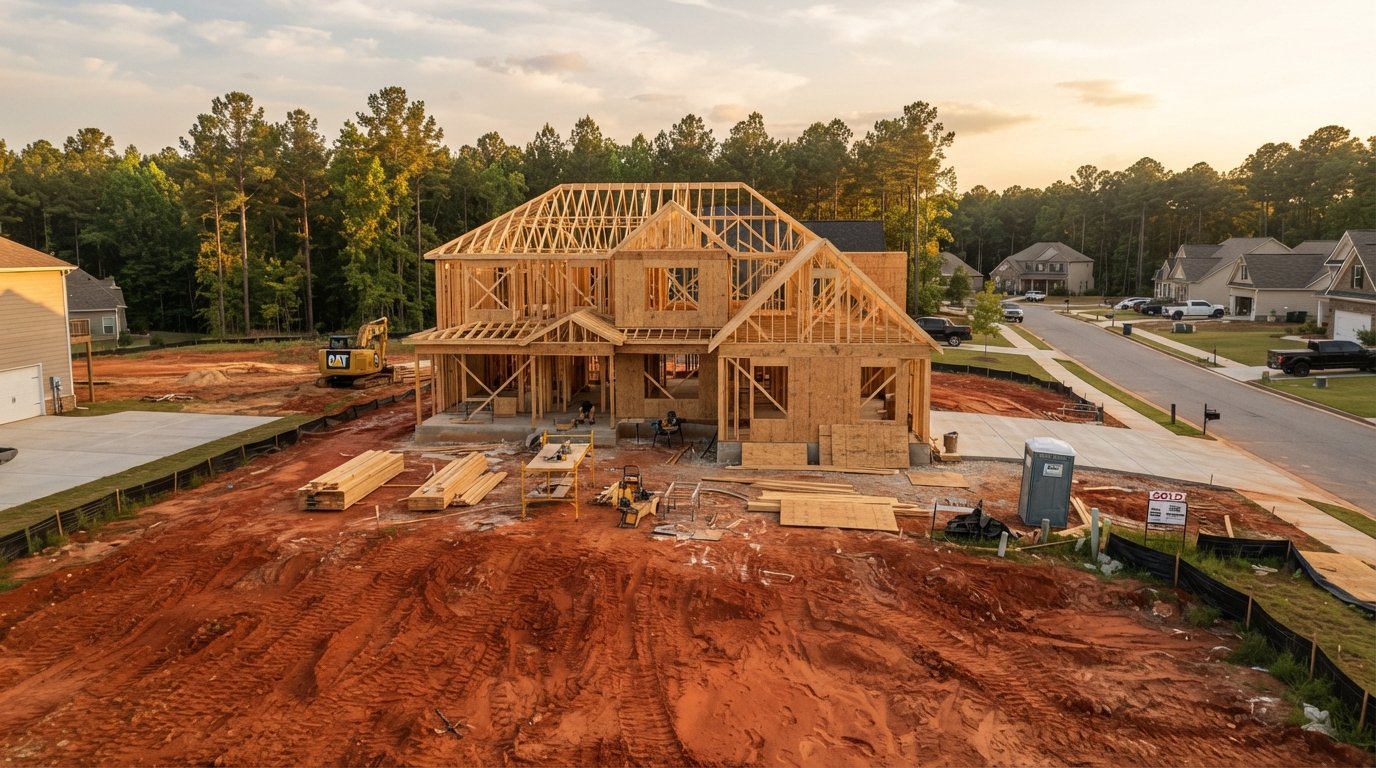
4. Construction (4 to 10 months)
This is the part everyone pictures. Here is how it typically breaks down.
| Construction stage | Typical duration | What happens |
|---|---|---|
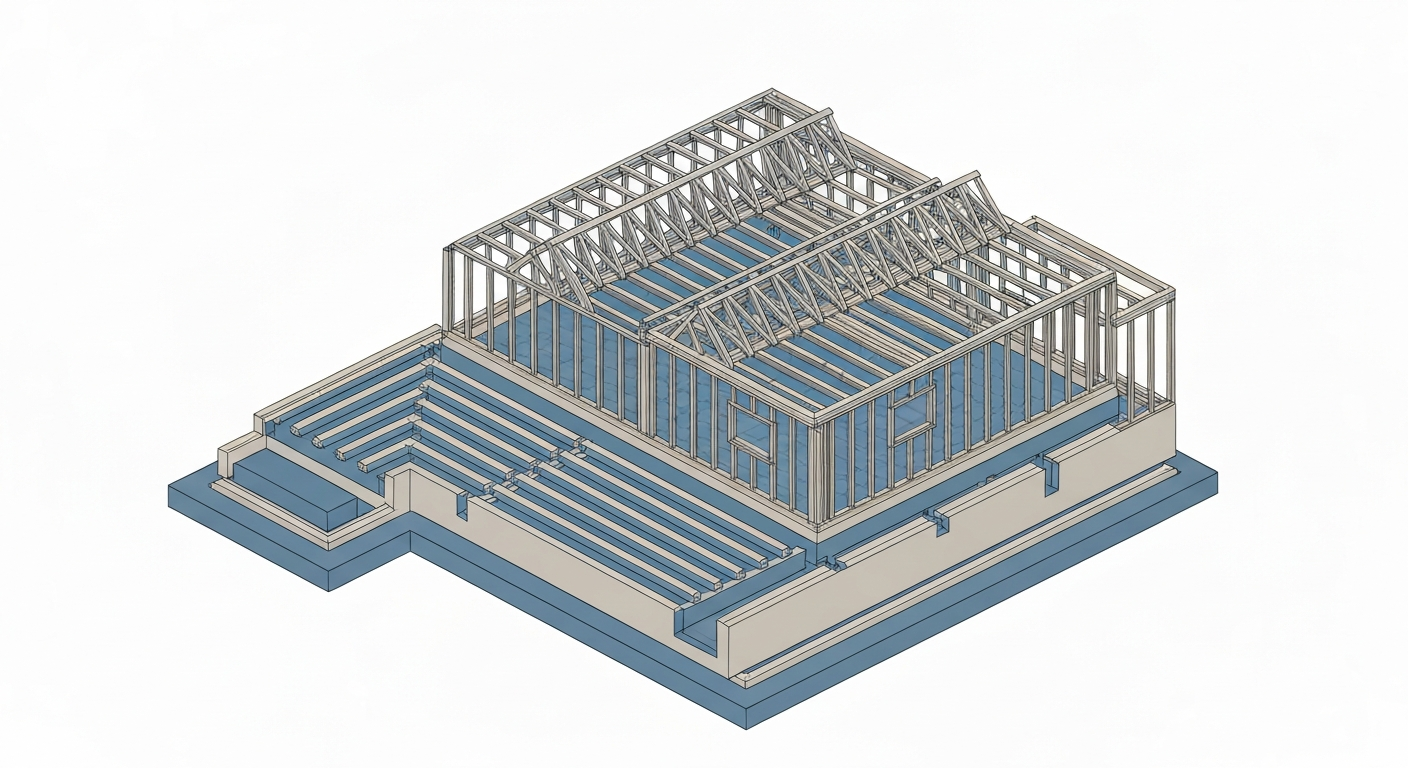
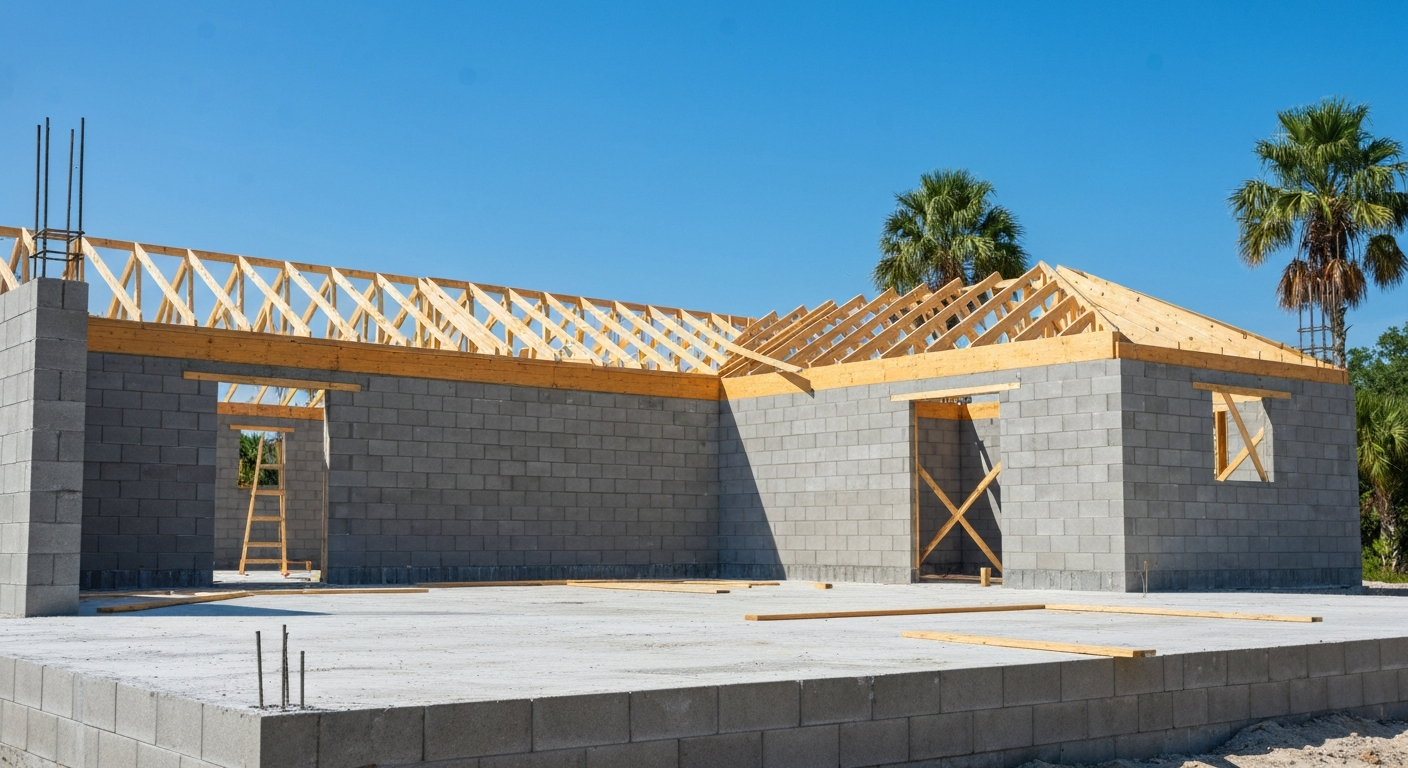
| Site prep and foundation | 3 to 6 weeks | Clearing, grading, and pouring the slab. Florida leans on reinforced concrete block and slab foundations for wind strength and the high water table. |
| Framing and roof | 3 to 6 weeks | The skeleton goes up and the home gets dried in. |
| Rough-ins | 3 to 5 weeks | Plumbing, electrical, and HVAC installed before walls close up. |
| Insulation and drywall | 2 to 4 weeks | The interior starts to feel like a real home. |
| Interior and exterior finishes | 6 to 12 weeks | Flooring, paint, cabinets, countertops, fixtures, siding, landscaping. Almost always the longest stretch and the one most exposed to backordered materials. |
5. Final inspections and move-in (2 to 4 weeks)
Final inspections, the certificate of occupancy, touch-ups, and your walkthrough. Once the CO is issued, the house is legally yours to live in.
What makes a Florida timeline different
Building in the Sunshine State comes with a set of variables you will not find in most other markets. These are the ones that actually move the needle.
Hurricane season and rain
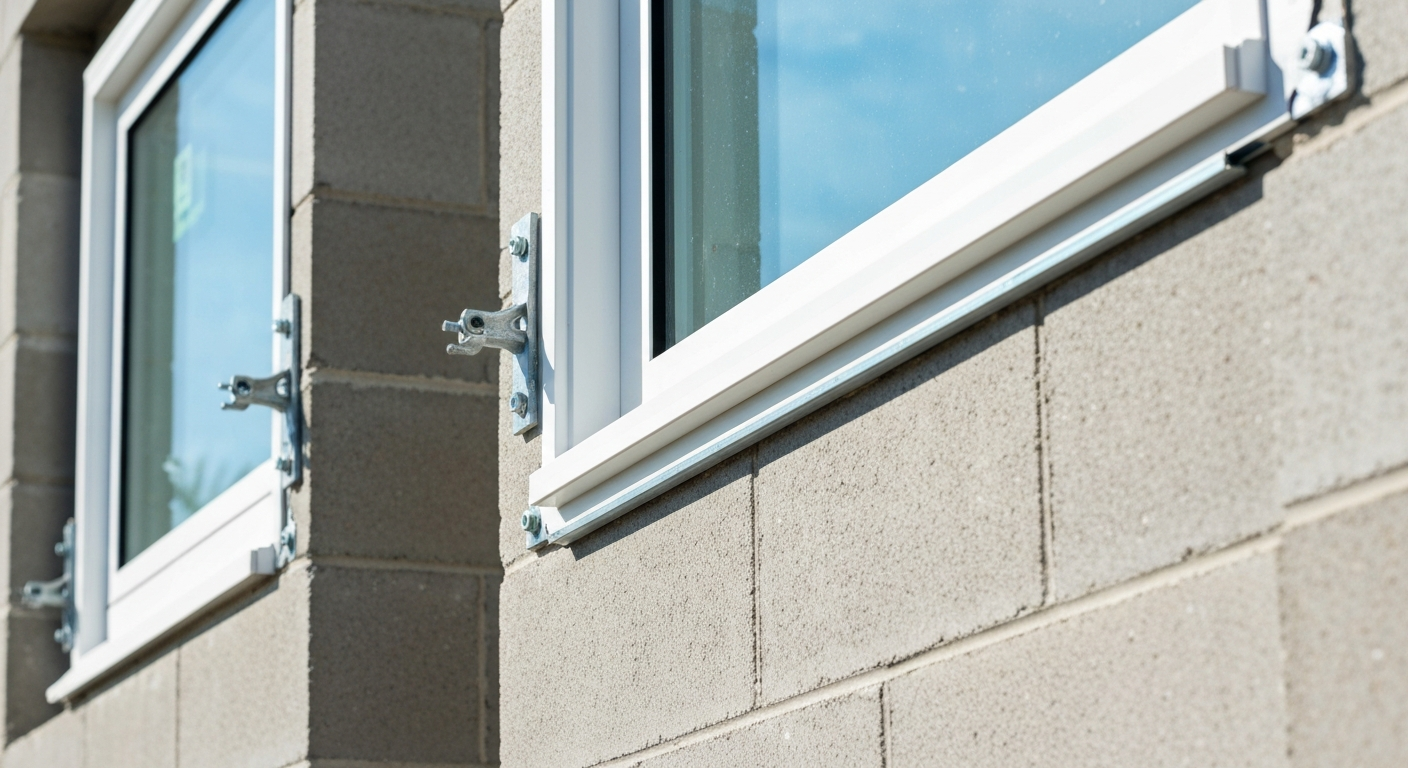
Hurricane season runs June 1 through November 30, and the summer rainy season overlaps most of it. Atlantic activity peaks from mid-August through late October, so that is the window builders watch most closely. A good builder plans around these months rather than pretending they do not exist, scheduling weather-sensitive work like foundation pours and roofing for drier stretches. The upside: Florida never shuts down for winter the way northern states do, so the building season is effectively year-round. The downside: a single major storm can spike material demand and drain the local labor pool for months afterward, which is exactly what happened with the shingle shortages that followed past seasons.
When Storm Risk Peaks During a Florida Build
Peak season lands squarely in late summer and early fall. Smart scheduling moves weather-sensitive work outside this window when possible.
Flood zones and elevation
If your lot sits in a FEMA flood zone, your project picks up extra steps: base flood elevation certificates, stormwater review, and often elevated construction on pilings. That engineering and those reviews add real weeks, and the build itself costs more per square foot. Confirm your flood zone before you fall in love with a lot, not after.
Permitting varies wildly by county
There is no single "Florida permit timeline." A build in Tampa Bay does not move at the same pace as one in Ocala, and neither matches Miami-Dade. Use this as a general guide, then ask your builder about the current turnaround in your exact jurisdiction.
| Region | What to expect | Timeline note |
|---|---|---|
| Miami-Dade and Broward (HVHZ) | High-Velocity Hurricane Zone. The strictest product approval and inspection standards in the state. | Plan for extra review time and hardened products. |
| Southwest Florida (Lee County, Cape Coral) | High demand and recurring post-storm backlogs. | Backlogs can add weeks, especially after a major season. |
| Tampa Bay and Pinellas | Dense, mostly infill lots. Review runs in rounds, roughly 10 days per round, and custom builds often need 3 to 4 rounds. | Multiple rounds are the norm, budget for them. |
| Central Florida (Orlando, Ocala) | Faster in many production corridors. | Often smoother than coastal counties. |
| Panhandle (Santa Rosa, Escambia) | Moderate. Local zoning and HOA steps can add time. | Confirm HOA and utility setup early. |
The 9th Edition building code takes effect December 31, 2026
This is the fresh detail most guides have not caught up to yet. Florida updates its building code every three years, and the 9th Edition (2026) takes effect December 31, 2026, replacing the 8th Edition (2023). Because state law requires a six-month transition period, permits issued before that date are generally grandfathered under the older code, while permits issued after fall under the new one.
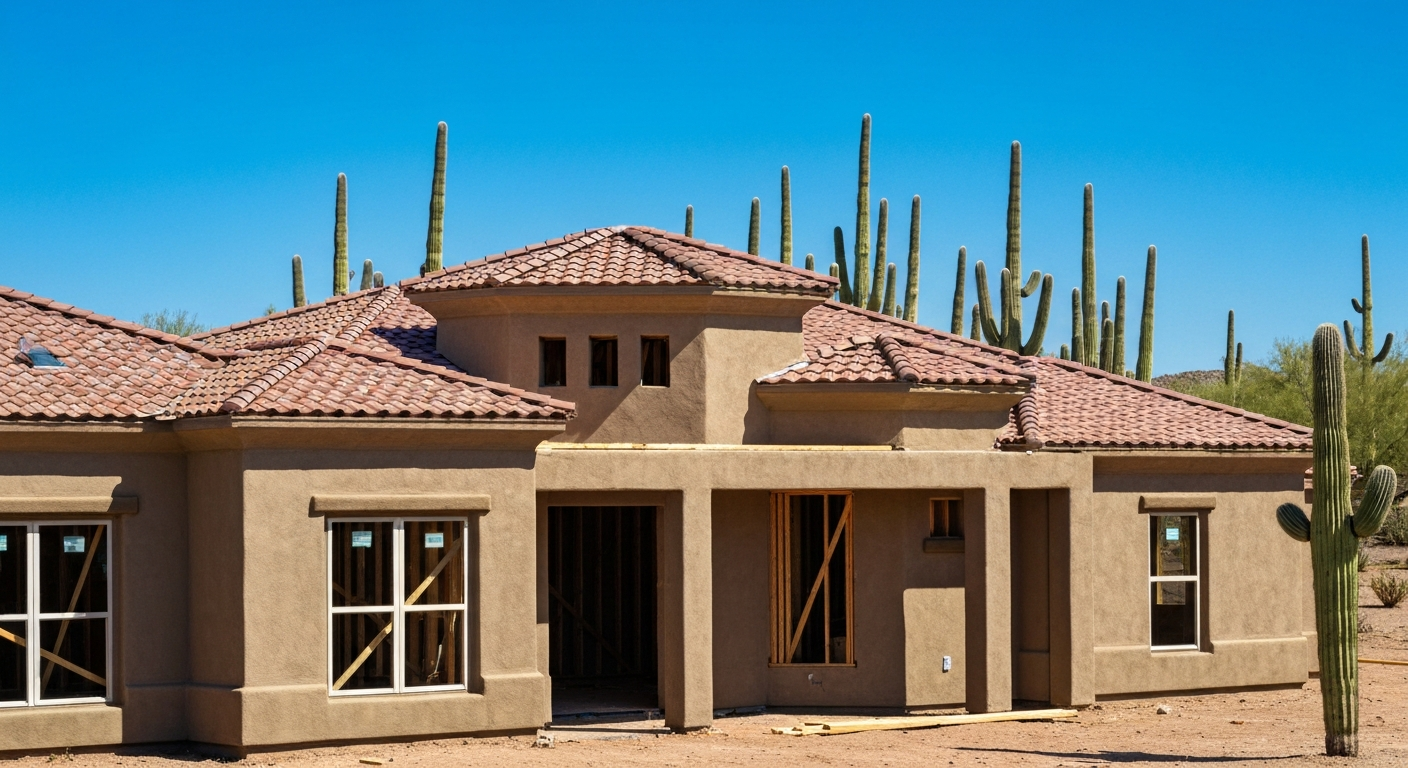
Why does this matter for your timeline? The 9th Edition adopts updated ASCE 7-22 wind loads and expands the 160 mph impact-resistant envelope requirement to new construction within five miles of tidal water, far beyond the traditional High-Velocity Hurricane Zone that only covered Miami-Dade and Broward. In plain terms: if you are building near the coast in 2027, you will likely need hardened impact windows and doors with higher design pressures. Those products run 15 to 30 percent more than the older baseline and can carry longer lead times. If your build straddles that December 2026 date, talk to your contractor early about which code your permit falls under, because it affects both what you spec and how long procurement takes.
Custom vs. production vs. modular: which is fastest?
The single biggest lever on your timeline is the type of home you build. Here is the honest comparison.
| Factor | Production / tract | Custom | Modular |
|---|---|---|---|
| Total timeline | 9 to 12 months | 12 to 24 months | 4 to 6 months |
| Design control | Limited, menu-based | Total | Moderate |
| Weather delay risk | Moderate | Higher | Low, factory-built |
| Permitting speed | Faster, proven plans | Slower, multiple rounds | Site prep and permitting run in parallel |
| Best for | Speed and budget certainty | A one-of-a-kind home | The fastest move-in |
Production or tract homes are the fastest traditional route. The plans are pre-engineered, the permits move faster, and the builder already has standing supplier relationships. If speed and predictability matter most, this is your path.
Custom homes give you total control and take the longest. Every decision is yours, which is the whole point, and every decision is also a chance to add time. Lock your selections before the crew starts.
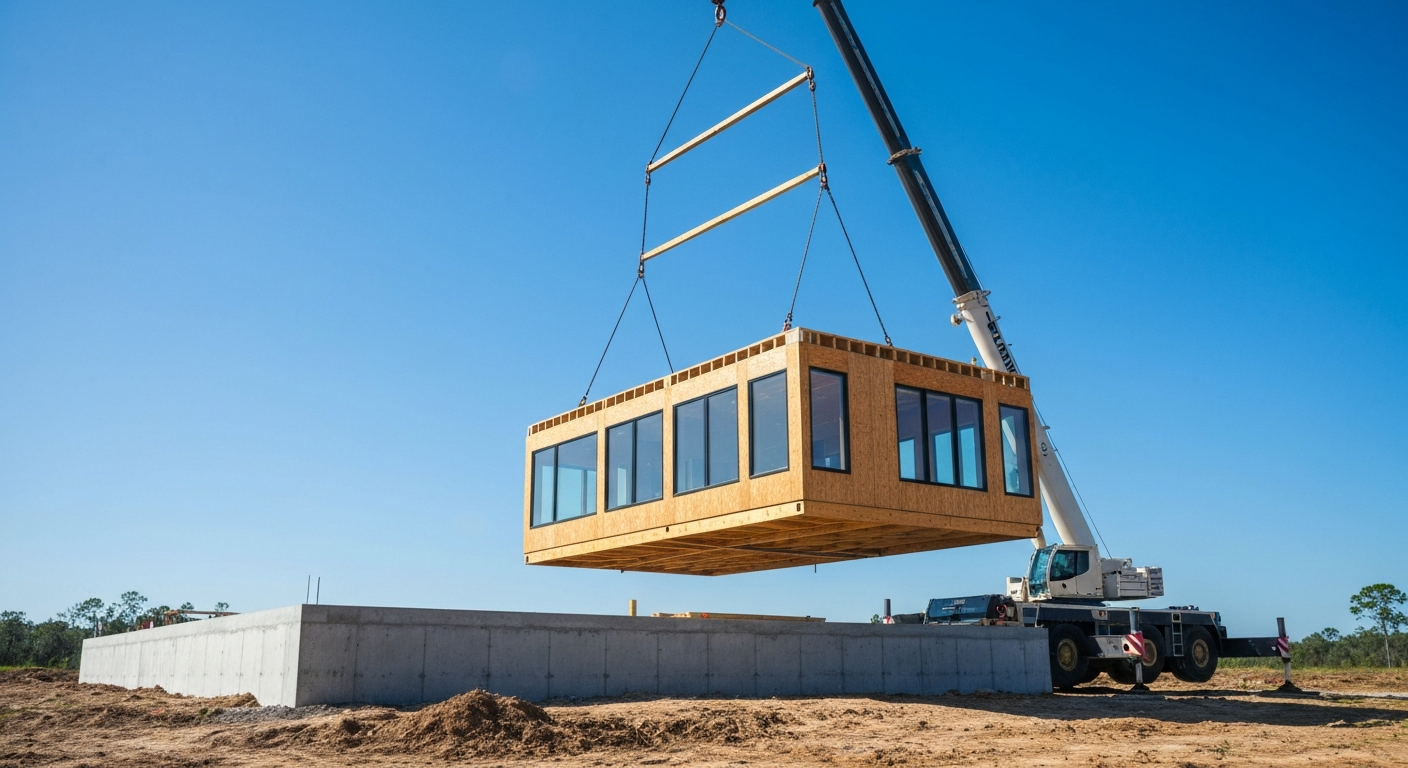
Modular homes are the dark horse. These are not mobile homes. They are code-compliant, engineered homes built in a climate-controlled factory and assembled on your prepped site. Because factory work happens at the same time as your site prep and permitting, weather delays nearly vanish and the total timeline can drop to 4 to 6 months. For hurricane-prone Florida, factory precision plus code compliance is a genuinely strong combination.
How much does the timeline affect your budget?
Time is money in the most literal sense here. Every extra month on a construction loan is another month of interest, and if you are renting while you build, another month of rent stacked on top. Change orders are the classic double hit: they add both cost and weeks. This is why locking your design and selections early is the highest-leverage move you can make. For a full breakdown of what a Florida build actually costs, see our guide on how much it costs to build a house in Florida, and run your own numbers with the Buildority Construction Cost Calculator.
How to keep your Florida build on schedule
A few habits separate the on-time builds from the ones that drift.
- Get prequalified before you design. Financing gaps stall projects between the design table and the first permit. If you plan to finance, start with our Home Construction Loan Guide.
- Lock your selections early. The most avoidable delays come from change orders and finishes chosen late.
- Confirm your flood zone and permitting jurisdiction up front. Surprises here cost you in both time and money.
- Choose a builder with local supplier relationships. In a post-storm market, access to materials and trades is everything.
- Mind the December 2026 code deadline if your project is anywhere near the coast.
Frequently asked questions
How long does it take to build a house in Florida from start to finish? For a custom home, plan on 12 to 24 months including land, design, permitting, and construction. Production homes run 9 to 12 months, and modular builds can finish in 4 to 6 months.
How long is just the construction phase? The active construction phase runs about 4 to 6 months for a production home and 7 to 10 months for a custom home, from foundation to final walkthrough.
Why does building in Florida take longer than expected? The usual culprits are permitting backlogs, flood-zone reviews, hurricane and rainy-season weather, material lead times, and mid-build change orders. Coastal and post-storm areas are the most delay-prone.
Does hurricane season stop construction? Not usually. Experienced builders schedule weather-sensitive work around the season and keep going year-round, since Florida has no winter shutdown. A major storm can cause material and labor shortages afterward, though.
What is the fastest way to build a house in Florida? A modular home is typically the fastest at 4 to 6 months, because factory construction happens in parallel with site prep and permitting.
How long does it take to get a building permit in Florida? Most permits take 30 to 60 days, but custom builds often need several review rounds, and coastal or flood-zone projects take longer. Timelines vary significantly by county.
Is it faster to build near the coast or inland? Inland, non-flood-zone lots are generally faster. Coastal and flood-zone builds add elevation reviews, stormwater analysis, and hardened product requirements that extend both permitting and construction.
Planning your build? Estimate your budget with the Buildority Construction Cost Calculator, see how much it costs to build a house in Florida, and read our Home Construction Loan Guide if you plan to finance.