Choosing the Right Exterior Paint for Harsh Weather Climates: A Guide for Contractors and Homeowners
The exterior of a home is its first line of defense against the elements. While interior paint is primarily about aesthetics and washability, exterior paint is a critical component of the building envelope. Today, the conversation around exterior coatings has shifted from simple color selection to advanced chemical performance, especially as extreme weather events become more frequent.
You cannot use the same exterior paint in Phoenix, Arizona, that you use in Minneapolis, Minnesota, or Miami, Florida. Ultraviolet (UV) degradation, thermal expansion, freezing temperatures, and high humidity all attack paint films in fundamentally different ways. Applying a standard builder-grade acrylic in the wrong climate guarantees premature failure - costing homeowners thousands of dollars in peeling, blistering, and wood rot.
This comprehensive guide breaks down the science of exterior paint selection, detailing the specific technologies required for different harsh climates, the non-negotiable steps of substrate preparation, and the real-world cost impacts of choosing the right (or wrong) materials.
Key Takeaways
- Exterior paint performance is dictated by climate: high-UV areas require 100% acrylics with UV protectants, while freeze-thaw zones demand flexible, elastomeric coatings.
- Surface preparation accounts for 80% of a successful exterior paint job. Premium paint will fail immediately if applied over chalky, dirty, or rotting substrates.
- Dark colors absorb significantly more heat, which can warp vinyl siding and accelerate the breakdown of the paint film in hot climates.
- A high-quality exterior paint job should last 7 to 10 years on wood siding, and up to 15 years on stucco or fiber cement.
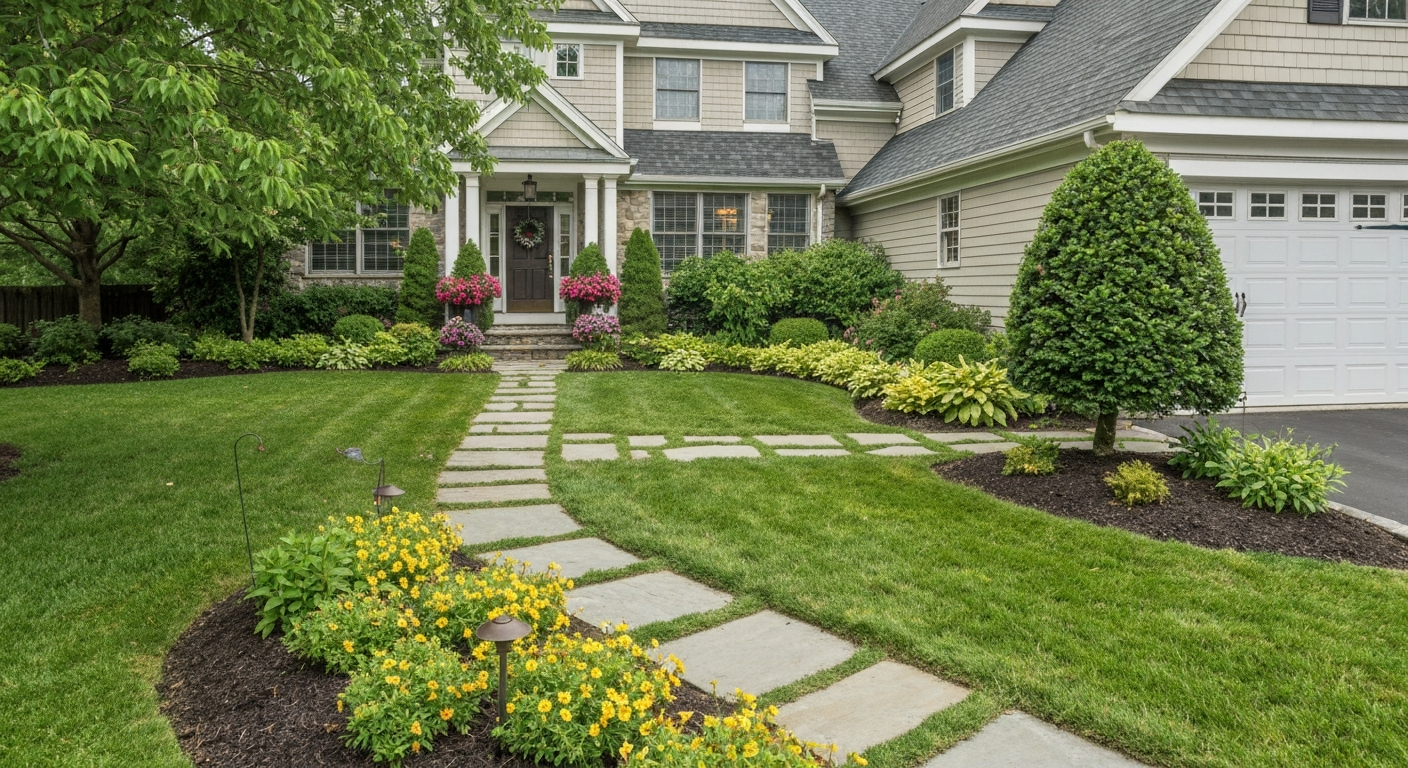
- Upgrading to premium exterior paint adds only 10-15% to the total project cost but can double the lifespan of the coating, making it a high-ROI decision. (To see how exterior upgrades impact overall home value, review our guide on maximizing curb appeal).
The Climate Dictates the Chemistry
Understanding the specific environmental threats in your region is the first step in selecting the right exterior paint. Paint manufacturers have developed specialized formulations to combat distinct weather challenges.
Hot and Dry Climates (The Southwest)
In regions like Arizona, Nevada, and inland Southern California, the primary enemy is the sun. Extreme UV radiation breaks down the chemical bonds in the paint film, leading to chalking (a powdery residue on the surface) and severe color fading. See how a full renovation plays out in the desert in our Phoenix 1950s ranch flip playbook.
- The Threat: UV degradation and rapid thermal cycling (hot days, cold nights).
- The Solution: 100% acrylic latex paints formulated with advanced UV protectants and reflective pigments. These paints resist chalking and hold their color significantly longer than vinyl-acrylic blends.
- Top Product Examples: Sherwin-Williams Emerald Exterior, Benjamin Moore Aura Exterior.
Hot and Humid Climates (The Southeast)
In Florida, the Gulf Coast, and the Southeast, moisture is the primary concern. High humidity, frequent rain, and warm temperatures create the perfect breeding ground for mildew and algae. Furthermore, trapped moisture in the siding can cause the paint to blister and peel as the sun heats the surface.
- The Threat: Mildew, algae growth, blistering, and moisture intrusion.
- The Solution: High-breathability acrylics packed with mildewcides and algaecides. The paint must allow water vapor to escape from the substrate while blocking liquid water from entering.
- Top Product Examples: Sherwin-Williams Duration Exterior, PPG Permanizer.
Cold and Freeze-Thaw Climates (The North and Midwest)
In the Northern US, materials expand in the summer heat and contract violently during winter freezes. If a paint film is too rigid, it will crack and flake off as the siding moves. For how commercial builders manage freezing and heat cycles on site, read our extreme weather construction spotlight from New York.
- The Threat: Thermal expansion and contraction, ice damage, and moisture freezing behind the paint film.
- The Solution: Elastomeric coatings or highly flexible 100% acrylics. Elastomeric paints can stretch up to 300% to bridge small gaps and move with the substrate, though they must be applied thickly and carefully to avoid trapping moisture.
- Top Product Examples: Behr Premium Plus Ultra Exterior, Benjamin Moore Element Guard (specifically formulated to be applied in temperatures as low as 35°F).
Surface Preparation: The 80% Rule
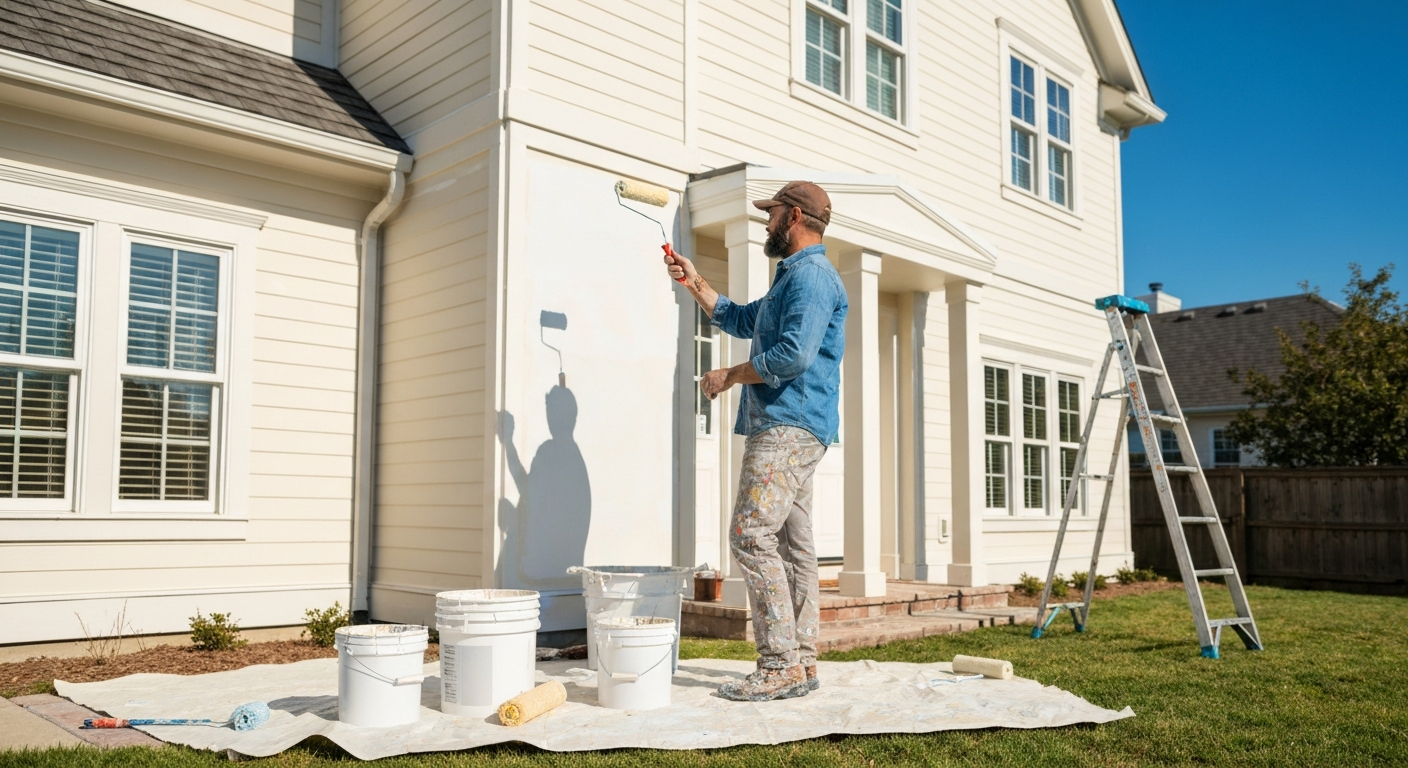
Professional painters operate by a simple rule: 80% of the work is in the preparation, and 20% is in the application. You can buy the most expensive, technologically advanced paint on the market, but if you apply it to a failing substrate, it will peel within a year.
Step 1: Power Washing and Cleaning
The house must be completely free of dirt, mildew, and chalking. A light power wash using a TSP (Trisodium Phosphate) substitute or a specialized house wash solution is mandatory. If mildew is present, a bleach solution must be used to kill the spores before washing.
Step 2: Scraping and Sanding
All loose, flaking, or peeling paint must be removed. Scraping takes off the bulk of the failing paint, while sanding feathers the edges so the transition between bare wood and old paint is not visible through the new topcoat.
Step 3: Caulking and Sealing
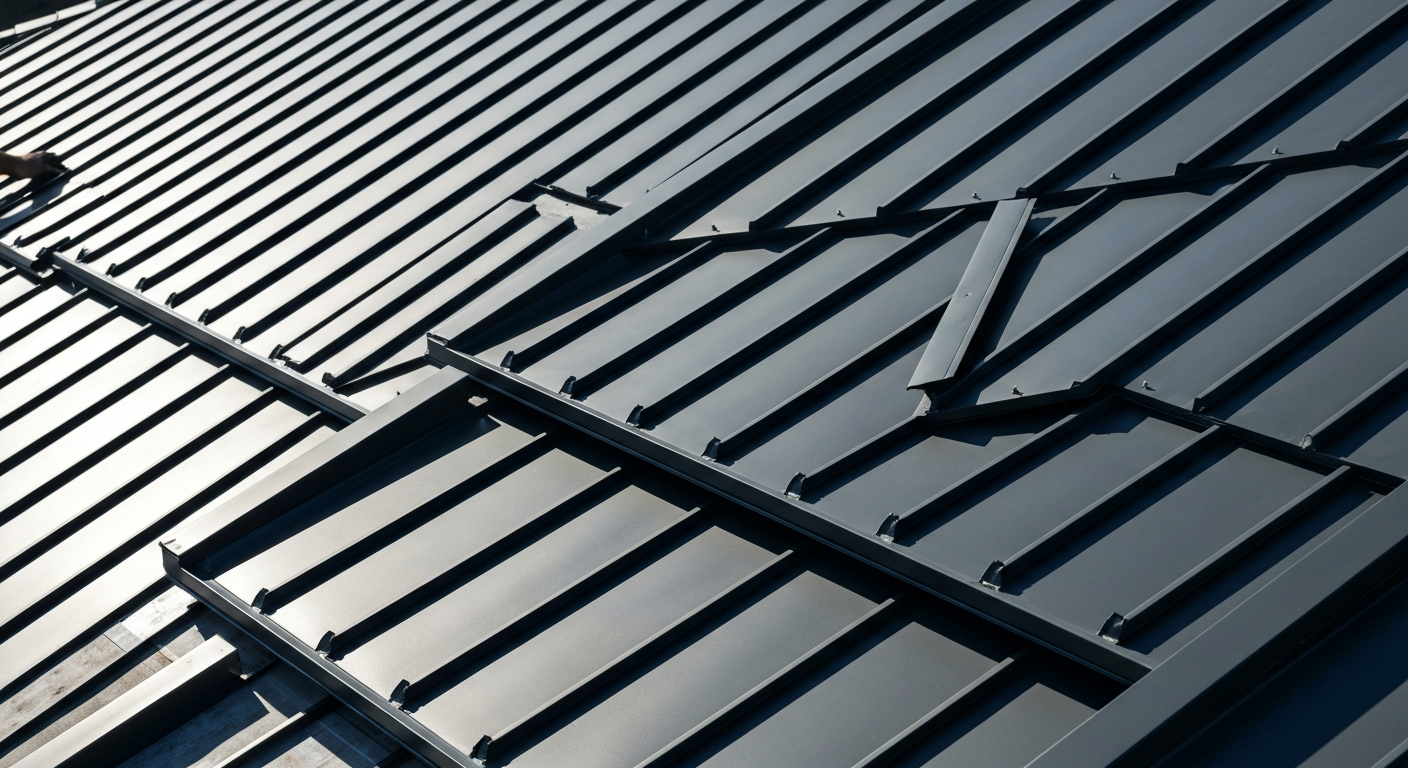
Water intrusion destroys homes. Every joint, gap, and crack must be sealed with a high-quality, paintable exterior polyurethane or elastomeric caulk. Pay special attention to window trims, door frames, and where different siding materials meet. Roofing is the other half of your home's weather defense; see our roofing materials comparison for metal, synthetic slate and solar options.
Step 4: Priming
Bare wood, patched areas, and chalky surfaces must be primed. If you are making a drastic color change, a tinted primer will save you from having to apply three coats of expensive topcoat paint. For severe stains or tannin bleed (common in cedar and redwood), an oil-based or specialized stain-blocking primer is required.
Understanding Paint Sheen on Exteriors
The sheen (or gloss level) of the paint affects both its durability and its aesthetic appeal. Before you commit to a color, you can preview options with our paint color and texture simulator.
- Flat/Matte: Excellent for hiding surface imperfections on older homes. However, flat paint is porous, making it harder to clean and less resistant to moisture. Best used on body siding that doesn't get touched often.
- Satin/Eggshell: The industry standard for exterior siding. It offers a slight luster that resists dirt pickup better than flat paint while still hiding minor imperfections. It is easier to wash and provides a stronger moisture barrier.
- Semi-Gloss/Gloss: Highly durable and moisture-resistant. These sheens are exclusively reserved for trim, doors, shutters, and architectural details. They highlight imperfections, so they should never be used on the main body of the house.
The Cost Impact: Premium vs. Builder-Grade
When calculating the cost of an exterior paint job, labor is always the largest expense, typically accounting for 75% to 85% of the total bill.
Because labor is fixed regardless of the paint quality, downgrading to a cheap, builder-grade paint to save money is a false economy.
Before/After Cost Impact
- Standard Paint Job (2,500 sq ft home): Using a mid-tier paint, the total cost (labor + materials) might be $4,500. The paint will likely need to be redone in 5 to 7 years.
- Premium Paint Upgrade: Upgrading to a top-tier, climate-specific paint might add $400 to $600 to the material cost, bringing the total to $5,100. However, this premium paint can last 10 to 12 years.
- Value Add: By spending an extra 10% upfront, you nearly double the lifespan of the paint job, drastically improving your long-term ROI and protecting the home's structural integrity. To see which exterior upgrades return the most at resale, read our home remodeling trends and ROI analysis.
Contractor Selection: 5 Questions to Ask Before Hiring
Hiring the right exterior painting contractor is just as important as selecting the right paint. Ask these questions before signing a contract:
1. What is your exact preparation process?
If the contractor says they just power wash and spray, walk away. Look for a detailed explanation of scraping, sanding, caulking, and priming.
2. What specific paint brand and product line will you use?
Do not accept "Sherwin-Williams" as an answer. Sherwin-Williams makes $25/gallon paint and $90/gallon paint. Demand the exact product name (e.g., "Sherwin-Williams Emerald Exterior Satin").
3. How many coats are included in the estimate?
A quality job usually requires one coat of primer (on bare spots) and two full coats of topcoat. Ensure the estimate specifies the number of coats.
4. Do you spray, roll, or brush?
Spraying is fast and provides a smooth finish, but the paint must be "back-rolled" (rolling over the sprayed paint while it is wet) to push the coating into the pores of the siding.
5. What is your warranty, and what does it cover?
A standard contractor warranty covers labor for 1 to 3 years. Ensure it covers peeling and blistering, not just fading.
Frequently Asked Questions
How long should exterior paint last?
A high-quality 100% acrylic paint job, properly prepped and applied, should last 7 to 10 years on wood siding, 10 to 15 years on aluminum or vinyl, and up to 15 years on stucco or fiber cement.
Can I paint vinyl siding?
Yes, but with strict limitations. You must use a paint specifically formulated for vinyl (containing urethane resins for flexibility). Crucially, you must choose a color that is lighter than or equal to the original siding color. Painting vinyl a dark color will cause it to absorb too much heat and permanently warp the siding.
What is the best temperature for exterior painting?
Historically, painters needed temperatures between 50°F and 90°F. However, modern advanced acrylics (like Benjamin Moore Element Guard) can be applied in temperatures as low as 35°F, extending the painting season in northern climates. Never paint if rain is expected within 24 hours.
Does exterior paint color affect energy efficiency?
Absolutely. Light colors reflect solar radiation, keeping the home cooler in hot climates like Texas and Florida. Dark colors absorb heat, which can increase air conditioning costs and put more thermal stress on the siding materials.
Should I use elastomeric paint on wood siding?
Generally, no. Elastomeric paint is incredibly thick and designed to bridge cracks in masonry and stucco. If applied to wood siding, it can trap moisture inside the wood, leading to severe rot and catastrophic peeling. Stick to 100% acrylics for wood.
Final Takeaway
Choosing the right exterior paint requires understanding your local climate and the specific chemistry designed to combat it. By investing in premium, climate-appropriate coatings and insisting on meticulous surface preparation, homeowners can protect their largest asset while maximizing curb appeal for a decade or more.