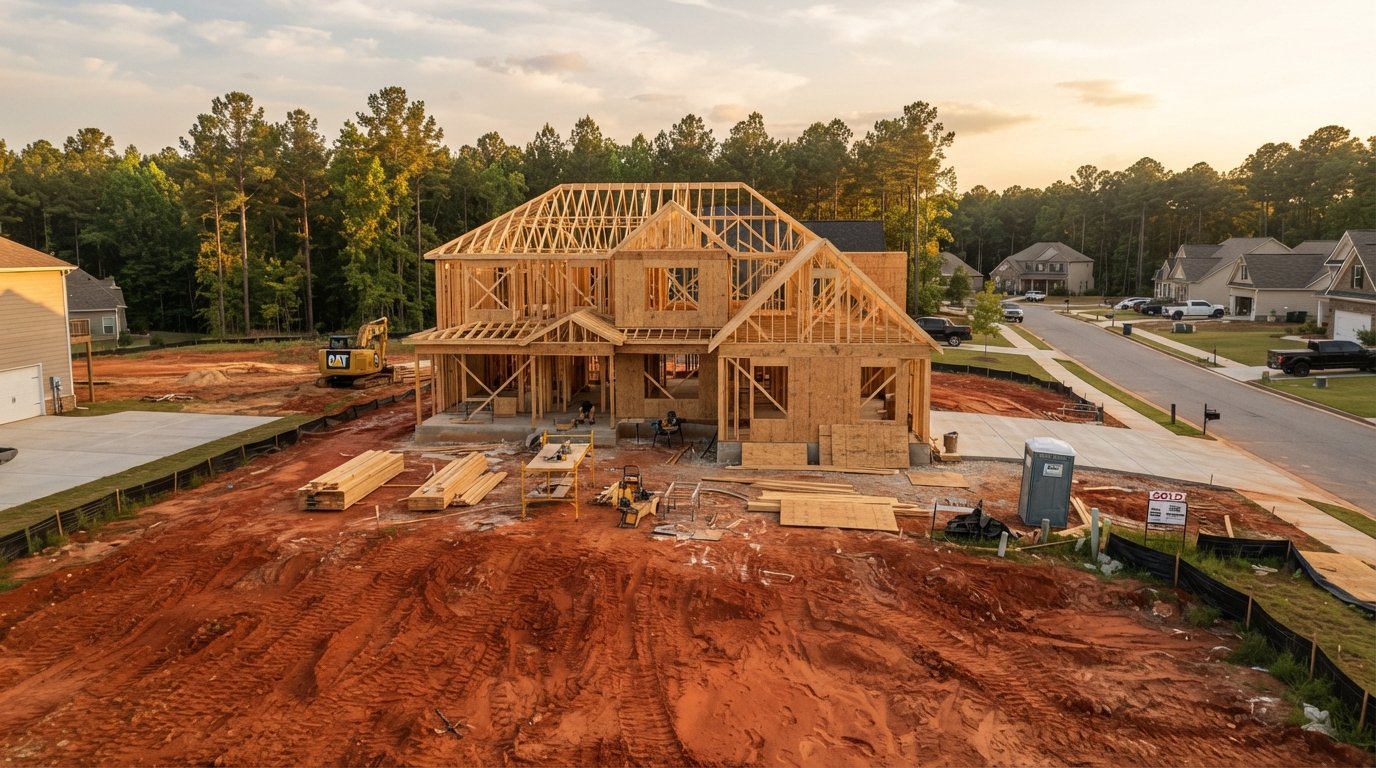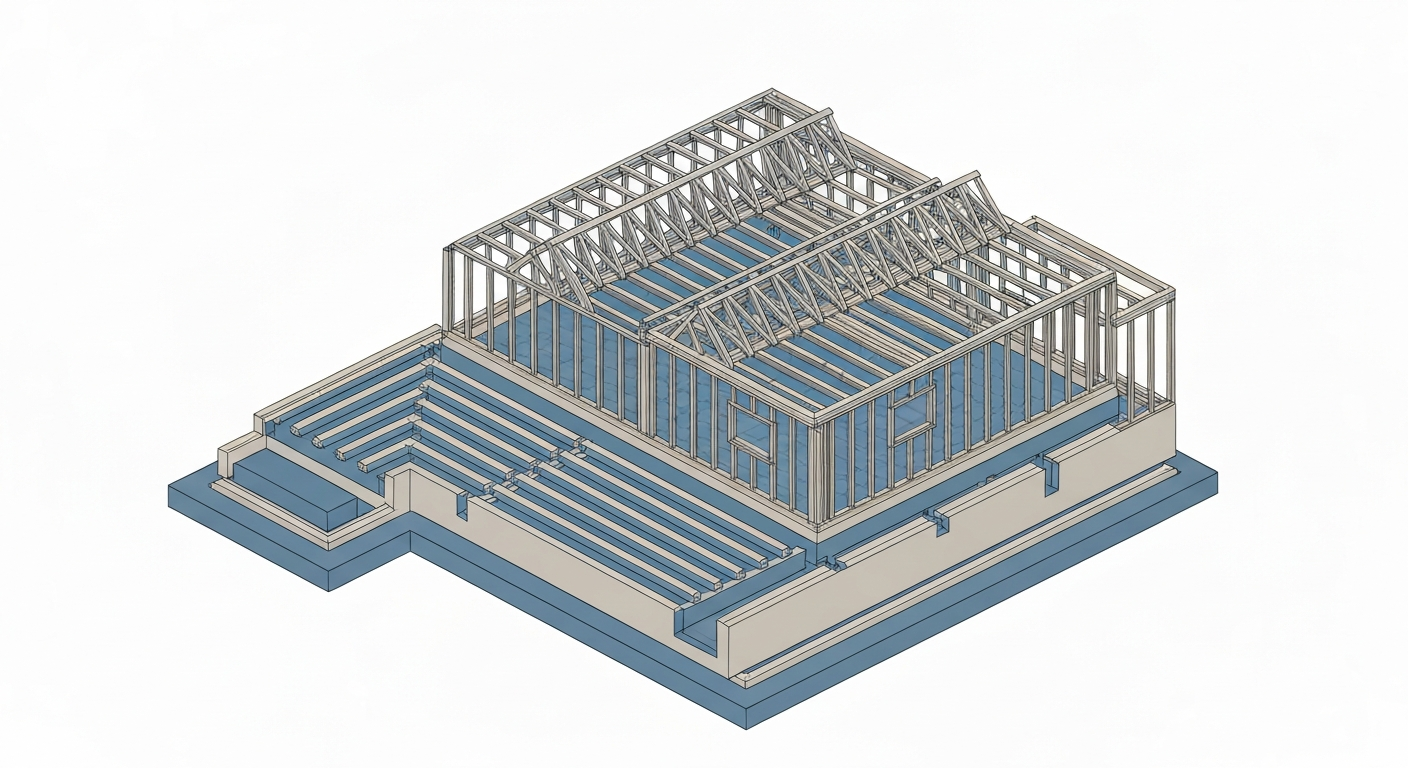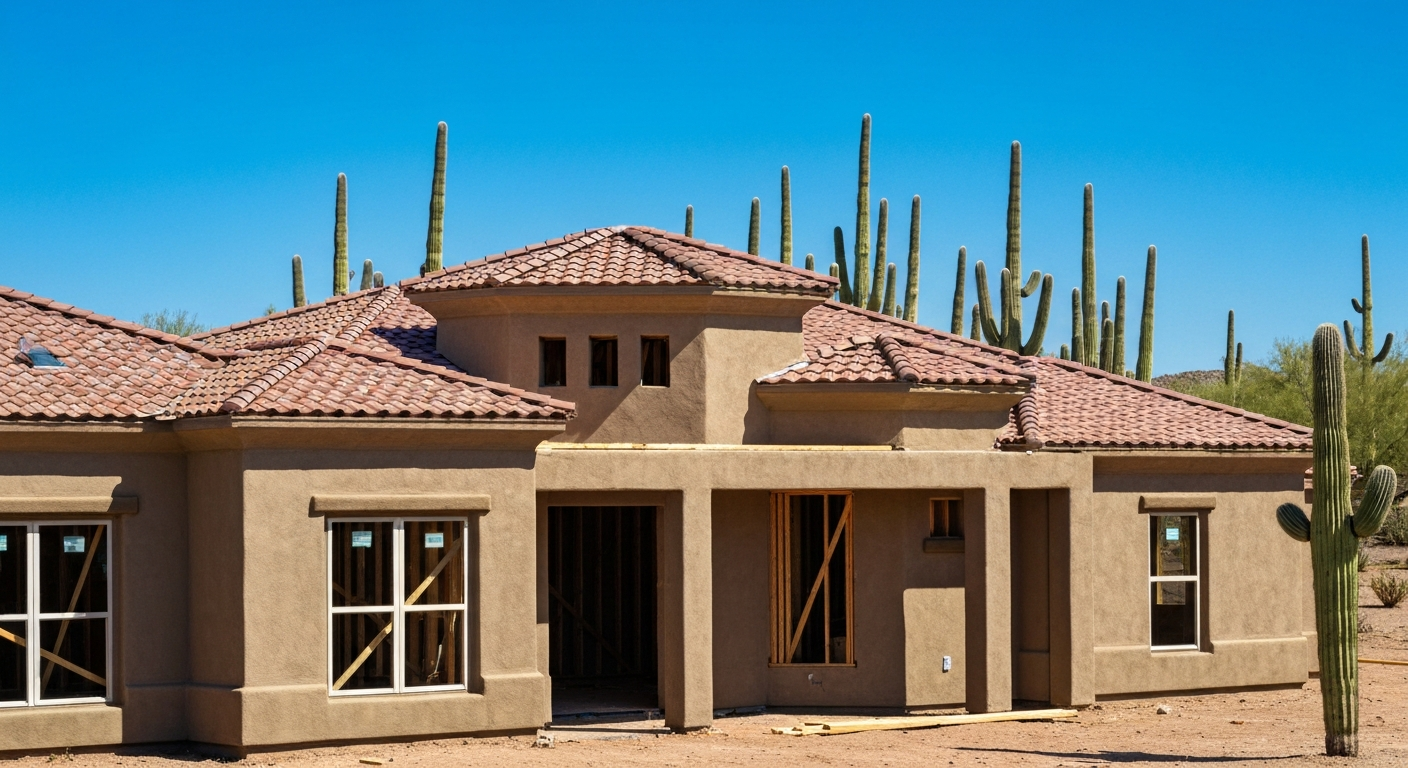
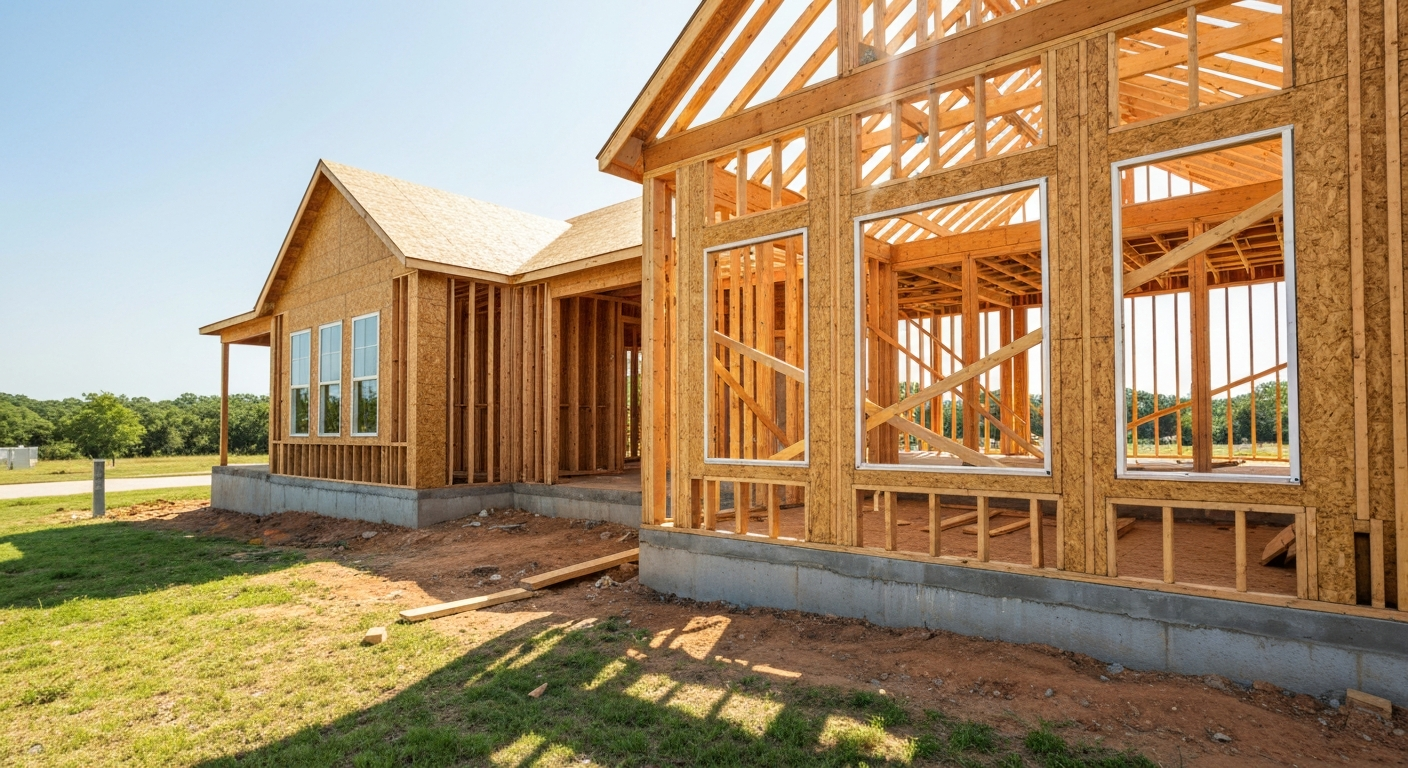
Dallas-Fort Worth remains one of the most active new construction housing markets in the United States. The market is no longer defined by the extreme bidding wars and rapid price jumps that shaped the early 2020s. Instead, DFW is entering a more selective phase.
That does not mean the market is crashing.
It means buyers have more leverage, builders are competing harder, and inventory is forcing a more balanced conversation between homebuilders and consumers.
For buyers looking at new construction homes in Dallas-Fort Worth, the current market may offer better opportunities than the previous three years. Builders are using mortgage rate buydowns, closing cost credits, design center incentives, and quick move-in discounts to keep sales moving. At the same time, buyers must pay close attention to property taxes, MUD districts, PID assessments, HOA fees, school districts, commute patterns, and long-term resale value.
The Dallas-Fort Worth metroplex is not one housing market. It is a collection of fast-growing submarkets across Collin County, Denton County, Tarrant County, Dallas County, Kaufman County, Rockwall County, Parker County, and other surrounding areas. A new home in Prosper does not behave like a new home in Forney. A master-planned community in Celina does not carry the same tax structure, buyer profile, or price point as a quick move-in home near Fort Worth.
This guide explains what buyers, real estate professionals, builders, and investors need to understand about the DFW new construction market.
Key Takeaways
- Dallas-Fort Worth is resetting after several years of rapid price growth, but demand for new homes remains active in many submarkets.
- Builders are offering stronger incentives, especially on completed or near-completed inventory homes.
- Mortgage rate buydowns, closing cost credits, and design center allowances are common negotiation tools.
- MUD and PID taxes can significantly increase the real monthly cost of ownership in new master-planned communities.
- Collin County and Denton County remain premium growth areas, while eastern suburbs such as Forney and Fate often offer lower entry prices but higher inventory.
- Quick move-in homes usually receive better incentives than build-to-order homes.
- Buyers should compare the full monthly payment, not just the base sales price.
- Long-term value depends on location, school districts, tax rate, builder quality, lot position, commute access, and future supply.
DFW New Construction Market Snapshot
| Submarket | Typical New Home Price Position | Active Inventory | Buyer Leverage | Market Notes |
|---|---|---|---|---|
| Collin County: Frisco, Prosper, Celina, McKinney | Higher | High | Medium | Premium schools, strong demand, many master-planned communities |
| Denton County: Argyle, Northlake, Aubrey, Little Elm | Mid-to-high | Medium | Medium | Strong growth corridor with family buyers and relocations |
| Tarrant County: Fort Worth, Aledo, Mansfield, Haslet | Mid-range | High | Medium-to-high | More affordability than Collin County in many areas |
| Eastern Suburbs: Forney, Fate, Royse City, Terrell | Lower-to-mid | Very high | High | More inventory, stronger incentives, longer commutes |
| Parker County: Weatherford, Aledo, Hudson Oaks | Mid-to-high | Medium | Medium | Larger lots, suburban-rural appeal, strong lifestyle demand |
| Dallas County Infill Areas | Mixed | Lower | Lower-to-medium | Limited land, more redevelopment and townhome product |
The Big Picture: DFW Is Resetting, Not Crashing
The Dallas-Fort Worth new construction market has changed.
During the peak pandemic-era housing cycle, buyers often faced limited inventory, rising prices, aggressive competition, and little room to negotiate. Many builders had waitlists. Some communities released lots in phases. Buyers often accepted higher prices, fewer concessions, and longer build times because supply was tight.
Today, the market looks different.
Inventory has increased in several DFW suburbs. Mortgage rates have reduced buyer purchasing power. Builders have become more aggressive with incentives. Buyers are comparing monthly payments more carefully. Some households are delaying purchases. Others are moving farther from core employment centers to find affordability.
This is not a collapse. It is a reset.
A housing crash usually means widespread distress, forced selling, and severe price declines. The DFW new construction market is not showing that type of pattern across the board. Instead, the market is becoming more segmented.
Some areas still perform well because they have strong schools, employment access, limited land, or high-income buyers. Other areas with heavy builder inventory may see deeper incentives and longer days on market.
For buyers, this creates opportunity.
For builders, it creates pressure.
Why Dallas-Fort Worth Still Attracts New Construction Demand
Dallas-Fort Worth continues to attract homebuilders because the region has several long-term demand drivers.
Population Growth
DFW has been one of the fastest-growing major metro areas in the United States. Job creation, corporate relocations, domestic migration, and relative affordability compared with coastal markets continue to support housing demand.
Business and Employment Diversity
The region has a broad employment base. Major sectors include finance, logistics, healthcare, technology, energy, aviation, construction, professional services, and manufacturing. This helps support both owner-occupied housing and investor interest.
Available Land
Compared with more land-constrained metro areas, DFW still has room for suburban expansion. This is one reason master-planned communities continue to grow in cities such as Celina, Prosper, Melissa, Forney, Fate, Aubrey, Northlake, and Haslet.
Strong Builder Presence
National and regional builders are highly active in the metroplex. Companies such as D.R. Horton, Lennar, Pulte, Toll Brothers, Highland Homes, Perry Homes, David Weekley Homes, Ashton Woods, Coventry Homes, and others compete across different price points.
Relocation Demand
DFW remains attractive for buyers moving from higher-cost states. Many relocation buyers compare Texas home prices with California, New York, Washington, Illinois, or other higher-cost markets. Even when DFW feels expensive to local buyers, it may still look affordable to some out-of-state households.
DFW Submarket Breakdown
The most important thing buyers need to understand is that Dallas-Fort Worth is not one uniform market. New construction conditions vary widely by county, city, school district, and community.
Collin County: Frisco, Prosper, Celina, McKinney and Melissa
Collin County remains one of the strongest new construction corridors in North Texas.
Cities such as Frisco and McKinney are more mature, while Prosper, Celina, and Melissa continue to absorb large master-planned developments. Buyers are often drawn to schools, newer infrastructure, larger homes, retail growth, and proximity to North Dallas employment centers.
What Buyers Should Know
Collin County new construction often carries higher base prices than other DFW submarkets. Buyers may see attractive builder incentives, but the best communities and lots may still command premium pricing.
Common Buyer Profile
- Relocation families
- Move-up buyers
- High-income professionals
- Buyers prioritizing school districts
- Households seeking larger homes and newer communities
Main Risk
The biggest risk is overpaying for upgrades, lot premiums, or a high-tax community without understanding the full monthly payment.
Denton County: Argyle, Northlake, Aubrey, Little Elm and Flower Mound Area
Denton County has become a major growth corridor for new construction. Areas such as Northlake, Argyle, Aubrey, and Little Elm offer a mix of master-planned communities, suburban convenience, and access to employment centers across North Dallas, Denton, Frisco, Plano, and Fort Worth.
What Buyers Should Know
Denton County can offer a balance between price, lifestyle, and location. However, infrastructure and commute patterns matter. Some fast-growing areas may face road congestion before public infrastructure catches up with residential growth.
Common Buyer Profile
- Families seeking newer homes
- Buyers priced out of Frisco or Prosper
- Remote and hybrid workers
- Buyers wanting more square footage
- Households looking for newer schools and amenities
Main Risk
Buyers should study future development plans, road expansion timelines, school zoning, and tax districts before choosing a community.
Tarrant County: Fort Worth, Aledo, Mansfield, Haslet and Surrounding Areas
Tarrant County provides a different value proposition. In many areas, buyers can find more affordability than Collin County while still accessing jobs, schools, and established infrastructure.
Fort Worth and surrounding suburbs continue to attract new construction across multiple price points. Aledo, Mansfield, Haslet, and parts of North Fort Worth remain popular with families looking for space and lifestyle value.
What Buyers Should Know
Inventory can vary by product type. Some builders may offer strong incentives on completed homes, especially in communities with multiple builders competing for the same buyer pool.
Common Buyer Profile
- First-time new construction buyers
- Move-up families
- Buyers seeking more home for the money
- Fort Worth employment base households
- Buyers comparing new homes with existing resale homes
Main Risk
Buyers should compare school districts, commute times, HOA rules, and future land development around the community.
Eastern DFW Suburbs: Forney, Fate, Royse City and Terrell
Eastern suburbs have seen major growth because they offer lower entry prices compared with many northern suburbs.
Forney, Fate, Royse City, and nearby areas often attract buyers looking for affordability, new schools, larger homes, and master-planned amenities. These areas can also carry very high inventory when builders deliver many homes at once.
What Buyers Should Know
This is where buyers may find some of the strongest incentives currently. Builders with completed inventory may be willing to offer rate buydowns, closing cost credits, appliance packages, design upgrades, or price reductions.
Common Buyer Profile
- First-time buyers
- Budget-conscious families
- Buyers relocating from higher-cost areas
- Households willing to accept longer commutes
- Buyers seeking newer homes at lower price points
Main Risk
The lower purchase price may be offset by higher tax rates, MUD assessments, PID fees, commute costs, and future resale competition from ongoing builder supply.
Why Builders Are Competing Harder
Builders do not like sitting on completed homes.
A finished inventory home ties up capital. It carries financing costs, taxes, maintenance expenses, insurance, marketing costs, and opportunity cost. Public builders also face quarterly sales and closing targets. When inventory builds up, incentives become a tool to move homes without always cutting the visible base price.
This is why buyers may see aggressive offers, especially near the end of a quarter or fiscal year.
Common Builder Incentives in DFW
Builder incentives vary by community, builder, lender, inventory level, and time of year. Common offers include:
- Mortgage rate buydowns
- Permanent interest rate reductions through preferred lenders
- Temporary 2-1 buydowns
- Closing cost credits
- Design center credits
- Appliance packages
- Window blinds
- Refrigerator, washer, and dryer packages
- Lot premium reductions
- Price reductions on completed homes
- Flex cash toward upgrades or closing costs
- Reduced earnest money in some cases
The strongest incentives are usually tied to using the builder’s preferred lender and title company. Buyers should compare the full loan estimate against outside lenders before assuming the builder offer is automatically the best deal.
Mortgage Rate Buydowns: The Incentive Buyers Notice First
A mortgage rate buydown is one of the most powerful builder incentives because it affects the monthly payment.
Instead of reducing the home price by a small amount, a builder may offer financing support that lowers the buyer’s interest rate. This can make a new construction home more affordable on a monthly basis than a similarly priced resale home.
Why Builders Use Rate Buydowns
Builders often prefer rate buydowns because they protect the public-facing sales price of the community. If a builder cuts prices too aggressively, it can upset recent buyers, affect appraisals, and weaken the pricing structure for future phases.
A rate buydown can improve affordability without lowering the visible base price as much.
What Buyers Should Ask
Before accepting a buydown offer, buyers should ask:
- Is the rate permanent or temporary?
- Is the offer tied to a specific lender?
- What are the lender fees?
- What is the APR, not just the interest rate?
- How much cash is the builder contributing?
- Can the incentive be used differently?
- What happens if the buyer chooses an outside lender?
- Is the rate locked?
- How long is the lock period?
- What credit score and down payment are required?
The headline rate is not enough. Buyers need to compare the full financing package.
Closing Cost Credits and Design Center Allowances
Closing cost credits are another common incentive in DFW new construction.
These credits can help cover lender fees, title fees, prepaid taxes, insurance, escrow setup, and other transaction costs. For buyers who have enough income but limited cash after the down payment, closing cost support can be valuable.
Design center allowances work differently. They help buyers pay for upgrades such as flooring, countertops, cabinets, lighting, fixtures, tile, appliances, or exterior options.
Closing Cost Credit vs. Design Credit
| Incentive Type | Best For | Buyer Caution |
|---|---|---|
| Closing cost credit | Reducing cash needed at closing | Must comply with loan program limits |
| Design center allowance | Improving finishes | Can encourage overspending on upgrades |
| Rate buydown | Lowering monthly payment | Must compare APR and fees |
| Price reduction | Lowering purchase price | May be harder to get in premium communities |
| Appliance package | Reducing move-in costs | Confirm model numbers and warranty details |
The best incentive depends on the buyer’s financial goal. Some buyers need lower monthly payment. Others need lower cash to close. Others want better finishes without increasing the loan amount too much.
The MUD and PID Tax Trap in DFW New Construction
Property taxes are one of the most important issues for new construction buyers in Texas.
Texas has no state income tax, but property taxes can be high. In many new communities, buyers may also pay additional assessments through MUDs and PIDs.
This is where many buyers get surprised.
A home that looks affordable based on sales price may become less affordable once the full tax rate, HOA dues, insurance, and special assessments are included.
What Is a MUD?
A Municipal Utility District, or MUD, is a special district that helps fund infrastructure such as water, sewer, drainage, and related public improvements.
In fast-growing areas, MUDs are often used to finance infrastructure before the full tax base exists. Homeowners inside the district help repay that infrastructure cost through taxes.
Why MUD Taxes Matter
A MUD can increase the effective property tax rate. Buyers need to know whether the listed tax estimate includes all applicable district taxes.
Questions to ask:
- Is the home located in a MUD?
- What is the current MUD tax rate?
- Is the MUD debt expected to decline over time?
- Are there multiple overlapping districts?
- Has the builder estimated taxes based on land only or completed home value?
- What was the previous year’s total tax rate?
What Is a PID?
A Public Improvement District, or PID, is another type of special assessment. PIDs may fund improvements such as roads, parks, trails, landscaping, public spaces, lighting, and community infrastructure.
PID payments can appear as annual assessments, property tax bill items, or separate obligations depending on how the district is structured.
Why PID Assessments Matter
A PID can add meaningful cost to homeownership. It may not always be obvious in a basic mortgage calculator.
Buyers should ask:
- Is there a PID?
- How much is the annual assessment?
- How long does the assessment last?
- Can it be paid off?
- Is it included in the estimated monthly payment?
- Does it transfer to future buyers?
- How does it affect resale?
Why Buyers Should Focus on Total Monthly Payment
The base price of a new construction home is only one part of the real cost.
A buyer should calculate the full monthly payment, including:
- Principal and interest
- Property taxes
- MUD taxes
- PID assessments
- Homeowners insurance
- HOA dues
- Mortgage insurance, if applicable
- Utility costs
- Maintenance reserves
- Commuting costs
A lower-priced home in a high-tax district may have a similar monthly payment to a higher-priced home in a lower-tax area.
This is why buyers should compare homes by total cost of ownership, not just sales price.
Inventory Homes vs. Build-to-Order Homes
Currently, one of the most important buyer decisions is whether to choose an inventory home or a build-to-order home.
Both options have advantages. Building costs vary by market, so see how much it costs to build a house in Texas for per-square-foot ranges.
What Is an Inventory Home?
An inventory home, also called a quick move-in home or spec home, is a home that the builder has already started or completed.
Inventory homes may be finished, near completion, or under construction with most design choices already selected.
Advantages of Inventory Homes
- Faster closing timeline
- Stronger builder incentives
- Less uncertainty about final price
- Easier to see the actual home
- May include completed upgrades
- Better fit for buyers with lease deadlines or relocation timelines
Disadvantages of Inventory Homes
- Limited customization
- Lot choice may be fixed
- Design selections may not match buyer preferences
- Some homes may sit longer due to less desirable location or layout
In a market with higher inventory, quick move-in homes often provide the best negotiation opportunity.
What Is a Build-to-Order Home?
A build-to-order home is selected before construction is complete. The buyer may choose the floor plan, lot, elevation, finishes, and upgrades depending on the builder and construction stage.
Advantages of Build-to-Order Homes
- More customization
- Better chance to choose preferred lot
- More control over finishes
- Ability to select structural options
- Better emotional fit for some buyers
Disadvantages of Build-to-Order Homes
- Longer timeline
- More room for price increases through upgrades
- Smaller incentives in many communities
- Construction delays may occur
- Interest rates may change before closing
Build-to-order homes work best for buyers who value customization and have flexible timing. To plan the schedule realistically, see how long it takes to build a house in Texas, including permitting in Dallas, Fort Worth and the fast-growing suburbs.
Negotiation Strategy for DFW New Construction Buyers
New construction negotiation is different from resale negotiation.
In resale, buyers negotiate directly with a homeowner. In new construction, buyers negotiate with a builder that has pricing strategy, inventory targets, lender partnerships, and community-level sales goals.
Step 1: Identify the Builder’s Pressure Point
Builders are more likely to negotiate when:
- The home is complete
- The home has been sitting for several weeks
- The builder has multiple similar homes available
- The quarter is ending
- The community has high inventory
- The floor plan is less popular
- A previous buyer canceled
- The home has an unusual lot position
- Competing builders nearby are offering better incentives
Step 2: Ask for the Right Incentive
Do not only ask for a price cut. Ask which incentive creates the strongest financial benefit.
Possible asks include:
- Lower purchase price
- Permanent rate buydown
- Temporary rate buydown
- Closing cost credit
- Appliance package
- Design center credit
- Lot premium reduction
- HOA dues credit
- Extended rate lock
- Additional warranty coverage
- Blinds or landscaping package
Step 3: Compare Builder Lender vs. Outside Lender
Builder incentives are often tied to preferred lenders. That can be useful, but buyers should still compare:
- Interest rate
- APR
- Origination fees
- Discount points
- Closing costs
- Lock period
- Prepayment terms
- Loan program
- Total cash to close
- Monthly payment
A lower interest rate with higher fees may not always be better.
Step 4: Review Taxes Before Signing
Before signing a contract, buyers should request the full estimated tax rate and district information.
Ask for:
- City tax
- County tax
- School district tax
- MUD tax
- PID assessment
- HOA dues
- Estimated completed-value tax bill
- Any special assessments
This step can prevent painful surprises after closing.
Builder Incentives by Buyer Situation
Different buyers should prioritize different incentives.
| Buyer Situation | Best Incentive to Prioritize | Why It Helps |
|---|---|---|
| Buyer has strong income but limited cash | Closing cost credit | Reduces cash needed at closing |
| Buyer is payment-sensitive | Rate buydown | Lowers monthly payment |
| Buyer wants better finishes | Design allowance | Improves home without immediate cash outlay |
| Buyer wants long-term equity protection | Price reduction | Lowers basis and may help resale |
| Buyer is relocating quickly | Quick move-in discount | Supports faster occupancy |
| Buyer is worried about future repairs | Warranty or upgrade package | Adds protection and value |
Red Flags Buyers Should Watch For
New construction can be a smart purchase, but buyers should stay alert.
High Tax Rate Without Clear Explanation
If the monthly payment feels higher than expected, look at the tax rate. MUD and PID costs may be the reason.
Too Much Inventory in One Community
High inventory can create negotiation power, but it can also affect resale if the builder keeps selling new homes nearby for months or years.
Incentives That Hide a Weak Location
A large incentive may be tied to a less desirable lot, awkward floor plan, backing road, drainage concern, or poor orientation.
Upgrade Costs That Inflate the Final Price
A base price can look attractive until structural options, flooring, countertops, cabinets, lighting, and elevation premiums are added.
Unclear Completion Timeline
Buyers should understand the expected completion date, delay clauses, rate lock timing, and remedies if the home is not ready on time.
How New Construction Compares With Existing Homes in DFW
Buyers should compare new homes and existing homes carefully.
New construction may offer lower maintenance, builder warranties, modern layouts, energy efficiency, and financing incentives. Existing homes may offer mature neighborhoods, larger lots in some areas, lower tax districts, established landscaping, and more central locations.
New Construction Advantages
- Modern floor plans
- Builder warranty
- Energy-efficient systems
- New roof, HVAC, plumbing, and electrical
- Incentives from builder
- Lower immediate maintenance
- Community amenities
- More inventory in growth corridors
Existing Home Advantages
- Established neighborhoods
- Mature trees and landscaping
- Potentially lower property tax districts
- More central locations
- No waiting for construction
- More room for independent inspection history
- Less competition with future builder inventory in some areas
The better choice depends on the buyer’s budget, commute, lifestyle, tax sensitivity, and long-term plans.
Which DFW Buyers Benefit Most From New Construction?
New construction may be especially attractive for several buyer groups.
Relocation Buyers
Buyers moving from out of state often want a clean, predictable purchase. Builder warranties and move-in-ready homes can reduce uncertainty.
First-Time Buyers
First-time buyers may benefit from closing cost support and rate buydowns, especially in more affordable suburbs. If you plan to build instead of buying builder inventory, read our first-time home builder construction loan guide.
Move-Up Families
Families needing more bedrooms, newer schools, and larger layouts may find strong options in master-planned communities.
Remote and Hybrid Workers
Buyers who do not commute daily may be more willing to move farther from core job centers in exchange for more home and community amenities.
Investors
Investors may look at new construction in growth corridors, but they need to be careful with HOA rental restrictions, property taxes, insurance, and builder supply competition.
Best Questions to Ask a Builder Before Buying
Before signing a new construction contract in DFW, buyers should ask detailed questions.
Pricing and Incentives
- What is the current base price?
- What incentives are available on this specific home?
- Are incentives tied to using the preferred lender?
- Can incentives be applied to price, closing costs, or rate buydown?
- Is the lot premium negotiable?
- Are there any upcoming price changes?
Taxes and Fees
- What is the estimated total tax rate?
- Is the home in a MUD?
- Is the home in a PID?
- What are the HOA dues?
- Are there transfer fees?
- Are there community enhancement fees?
- Are taxes estimated on land only or completed value?
Construction and Warranty
- What is the estimated completion date?
- What happens if construction is delayed?
- What warranty is included?
- Who handles warranty requests?
- What inspections are allowed?
- Can the buyer hire a third-party inspector?
- Are there pre-drywall and final walk-through inspections?
Community and Resale
- How many homes remain to be built?
- How many builders are active in the community?
- Are rental homes allowed?
- What amenities are completed?
- What amenities are planned?
- Are future phases expected to have different pricing?
- What school district serves the home?
Third-Party Inspections Still Matter
Some buyers assume a new home does not need an independent inspection. That is a mistake.
New homes can still have defects. Construction involves many trades, tight schedules, weather exposure, material handling, and human error. For how codes, energy rules and materials vary by city, see our guide to Texas construction compliance and innovative materials.
A buyer should consider:
- Pre-drywall inspection
- Final inspection
- Phase inspection, when available
- Warranty inspection before the one-year warranty expires
A third-party inspector can review framing, mechanical systems, roofing, drainage, insulation, electrical work, plumbing, windows, grading, and general workmanship.
Builder warranties are valuable, but catching issues early is better than fighting about repairs later.
The Role of School Districts in DFW New Construction
School districts remain one of the strongest value drivers in Dallas-Fort Worth residential real estate.
Many buyers choose new construction based on schools, even before they compare finishes or incentives. This is especially true in family-focused suburbs such as Frisco, Prosper, Celina, McKinney, Argyle, Aledo, Mansfield, and parts of Denton County.
However, fast growth can change school zoning. A home advertised near a desirable school may not always remain zoned to that school in future years.
Buyers should verify:
- Current school assignment
- Future rezoning possibilities
- New school construction plans
- District capacity issues
- Transportation boundaries
- Distance from the home to the assigned schools
School zoning should be confirmed directly with the district, not only with builder marketing material.
Long-Term Resale Value: What Matters Most
A new construction home should be evaluated not only as a place to live, but also as a long-term asset.
Several factors can influence resale value.
Location Within the Metroplex
Homes with better access to employment centers, highways, retail, healthcare, schools, and amenities often have stronger resale appeal.
Location Within the Community
Lot position matters. Cul-de-sac lots, greenbelt lots, larger lots, and lots away from major roads may perform better than less desirable locations.
Tax Rate
A high tax rate can limit resale affordability. Future buyers will also calculate monthly payment.
Builder Reputation
Construction quality, warranty service, and brand perception can influence buyer confidence.
Floor Plan
Functional layouts with flexible spaces, storage, natural light, and modern kitchens tend to age better.
Future Supply
If a builder is still selling new homes nearby, resale homes may compete against brand-new inventory with incentives.
DFW New Construction Buyer Checklist
Before buying a new construction home in Dallas-Fort Worth, review this checklist.
Financial Checklist
- Compare monthly payment, not just price
- Confirm full property tax rate
- Ask about MUD and PID assessments
- Compare preferred lender with outside lenders
- Review APR and closing costs
- Understand rate lock terms
- Budget for HOA dues and insurance
- Estimate utility costs
- Keep cash reserves after closing
Builder Checklist
- Research builder reputation
- Read warranty terms
- Ask about inspection access
- Review included features
- Confirm upgrade pricing
- Ask about construction timeline
- Understand cancellation terms
- Get all incentives in writing
Community Checklist
- Verify school district and zoning
- Study commute times at peak hours
- Check future road plans
- Review HOA rules
- Ask about rental restrictions
- Confirm amenities and completion dates
- Look at remaining builder inventory
- Review nearby commercial development
Frequently Asked Questions
Are new construction homes cheaper than existing homes in Dallas-Fort Worth?
Not always. New construction homes may have higher base prices than some existing homes, especially in popular suburbs. However, builder incentives such as mortgage rate buydowns, closing cost credits, and upgrade allowances can make the monthly payment more competitive. Buyers should compare total monthly cost, not just list price.
What builder incentives are common in DFW?
Common incentives include mortgage rate buydowns, closing cost credits, design center allowances, appliance packages, lot premium reductions, and discounts on quick move-in homes. The strongest incentives are often available on completed inventory homes or homes that need to close quickly.
Are MUD and PID taxes common in Dallas-Fort Worth new construction?
Yes, many new master-planned communities in fast-growing areas use MUDs, PIDs, or other special districts to fund infrastructure and public improvements. Buyers should always ask for the total estimated tax rate and annual assessment amount before signing a contract.
Is it better to buy an inventory home or build from scratch?
An inventory home is often better for buyers who want stronger incentives and faster closing. A build-to-order home is better for buyers who want more customization and can wait several months. Many of the best builder deals are likely to be on quick move-in homes.
Which DFW suburbs have the most new construction?
Major new construction activity can be found in Celina, Prosper, Melissa, McKinney, Frisco, Aubrey, Northlake, Argyle, Little Elm, Forney, Fate, Royse City, Haslet, Mansfield, Aledo, and parts of Fort Worth. Inventory levels vary by community and price point.
Can buyers negotiate with builders?
Yes. Buyers can often negotiate incentives, closing cost credits, rate buydowns, lot premiums, upgrades, appliance packages, and sometimes price. Negotiation power is usually stronger on completed homes, older inventory, and communities with multiple competing builders.
Should I use the builder’s preferred lender?
The builder’s preferred lender may offer valuable incentives, but buyers should compare the full loan estimate with outside lenders. Review the interest rate, APR, fees, points, closing costs, and lock terms before deciding.
Do new construction homes need inspections?
Yes. New homes can still have construction defects. Buyers should consider third-party inspections, including pre-drywall, final, and warranty inspections. An independent inspection can identify issues before closing or before the builder warranty expires.
Are DFW new construction homes a good investment?
They can be, but the answer depends on location, tax rate, builder quality, school district, lot position, purchase price, and future supply. Buyers should be careful in communities with high inventory because resale homes may compete with new builder homes offering incentives.
What is the biggest mistake buyers make with new construction in DFW?
The biggest mistake is focusing only on the base price and ignoring the full monthly payment. Property taxes, MUDs, PIDs, HOA dues, insurance, lender fees, upgrades, and commute costs can change the real affordability of a home.
Final Analysis: What the DFW New Construction Market Means for Buyers
The Dallas-Fort Worth new construction market gives buyers something they did not have during the hottest years of the housing cycle: options.
More inventory means more comparison power. Builder incentives mean more room to structure a better deal. Slower absorption in some communities means buyers can ask tougher questions.
But opportunity does not remove risk.
A smart buyer must look beyond the model home, the advertised rate, and the base price. The real decision depends on total monthly payment, property tax structure, builder quality, location, school district, inventory levels, and long-term resale value.
For some buyers, a quick move-in home with a strong rate buydown may be the best deal. For others, a build-to-order home in a stronger location may be worth the wait. For budget-conscious families, eastern suburbs may offer value, but only if the tax rate and commute still make sense. For buyers focused on long-term appreciation, premium locations in Collin, Denton, or Tarrant County may justify higher upfront costs.
The market is not crashing. It is becoming more disciplined.
And in a disciplined market, informed buyers win.