Key Takeaways
- Sustainability and Efficiency First: The US housing market is shifting from cost-based building to efficiency-driven designs, heavily influenced by millennial buyers and the rise of remote work.
- Smart Technology is Standard: IoT devices, advanced security, and intelligent climate control are no longer luxury add-ons; they are baseline expectations in modern homes.
- Durable Materials Save Money: Eco-friendly materials like cross-laminated timber (CLT) and low-carbon concrete offer superior durability and lower lifecycle costs.
- Lifecycle Cost Over Upfront Price: While initial construction costs may be 5-10% higher, the long-term ROI is substantially better due to lower utility and maintenance expenses.
- Adaptability is Crucial: Modern homes must incorporate flexible layouts and "renewable-ready" infrastructure to adapt to future lifestyle changes and technological advancements.
Introduction
The United States housing market is undergoing a profound transformation. For decades, the primary drivers of new construction were square footage and upfront cost. Today, the conversation has shifted. Homebuyers, builders, and architects are increasingly prioritizing sustainability, durability, and energy efficiency as the foundational elements of modern home construction.
This evolution is not merely a passing trend. It represents a fundamental realignment of how Americans view their homes. A home is no longer just a shelter; it is an integrated system designed to provide long-term economic savings, reduce environmental impact, and enhance daily lifestyle. As extreme weather events become more frequent and energy costs continue to rise, building a resilient and efficient home is now a practical necessity.
The benefits extend far beyond the initial build. Durable materials reduce maintenance cycles, energy-efficient designs lower monthly utility bills, and sustainable practices minimize the carbon footprint. For the modern homeowner, these factors translate into a higher quality of life and stronger long-term property value.
Modern Home Construction Trends
The landscape of residential construction is defined by pragmatism, technology, and environmental responsibility. Builders who fail to adapt to these new expectations are finding themselves at a competitive disadvantage.
Market Evolution
The historical reliance on cost-based building - where the cheapest materials and fastest methods won - is giving way to efficiency-driven designs. This shift is heavily influenced by changing demographics. Millennials, who now make up the largest segment of homebuyers, place a high premium on sustainability and low-maintenance living.
Furthermore, the rise of remote work has changed how homes are used. A house is now a full-time office, a gym, and a sanctuary. This increased usage demands higher performance from the building envelope and internal systems. Buyers are willing to invest more upfront if it means fewer repairs and lower operating costs over the next twenty years.
Technological Integration
Smart home technology has transitioned from a luxury add-on to a baseline expectation. Modern homes are being built with integrated automation systems that monitor and optimize energy usage in real-time.
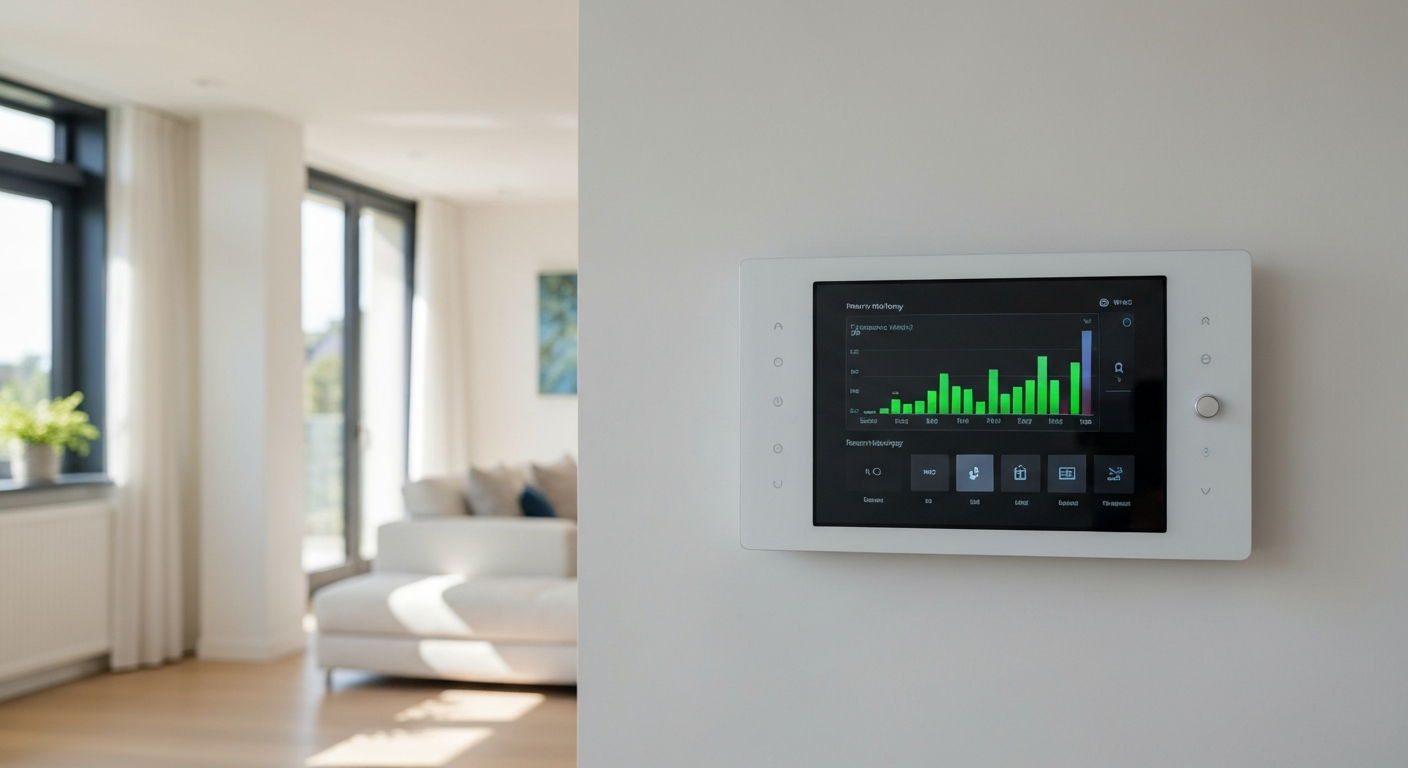
Internet of Things (IoT) devices, advanced security networks, and intelligent climate control are now standard. These systems do not just offer convenience; they provide actionable data. Homeowners can track exactly where their energy is going and adjust their habits accordingly, leading to significant reductions in waste and cost.
Environmental Awareness
Environmental awareness is no longer a niche concern. There is a mainstream demand for energy efficiency and sustainable materials. Buyers are increasingly asking questions about the provenance of building materials and their embodied carbon.
This awareness is driving the adoption of practices that significantly lower the long-term carbon footprint of residential neighborhoods. From the foundation to the roof, every component is being evaluated for its environmental impact.
Planning and Design for Durability and Efficiency
Building a modern, resilient home starts long before the first shovel hits the dirt. The planning and design phases are where the most critical decisions are made.
Understanding the Environment
A durable home must be designed for its specific climate. What works in the humid Southeast will fail in the arid Southwest. Climate-specific strategies are essential for long-term performance.
This requires rigorous site analysis and geographic consideration. Architects must account for solar orientation, prevailing wind patterns, and local weather extremes. A home designed to work with its environment, rather than against it, will inherently be more efficient and resilient.
Foundation and Structural Planning
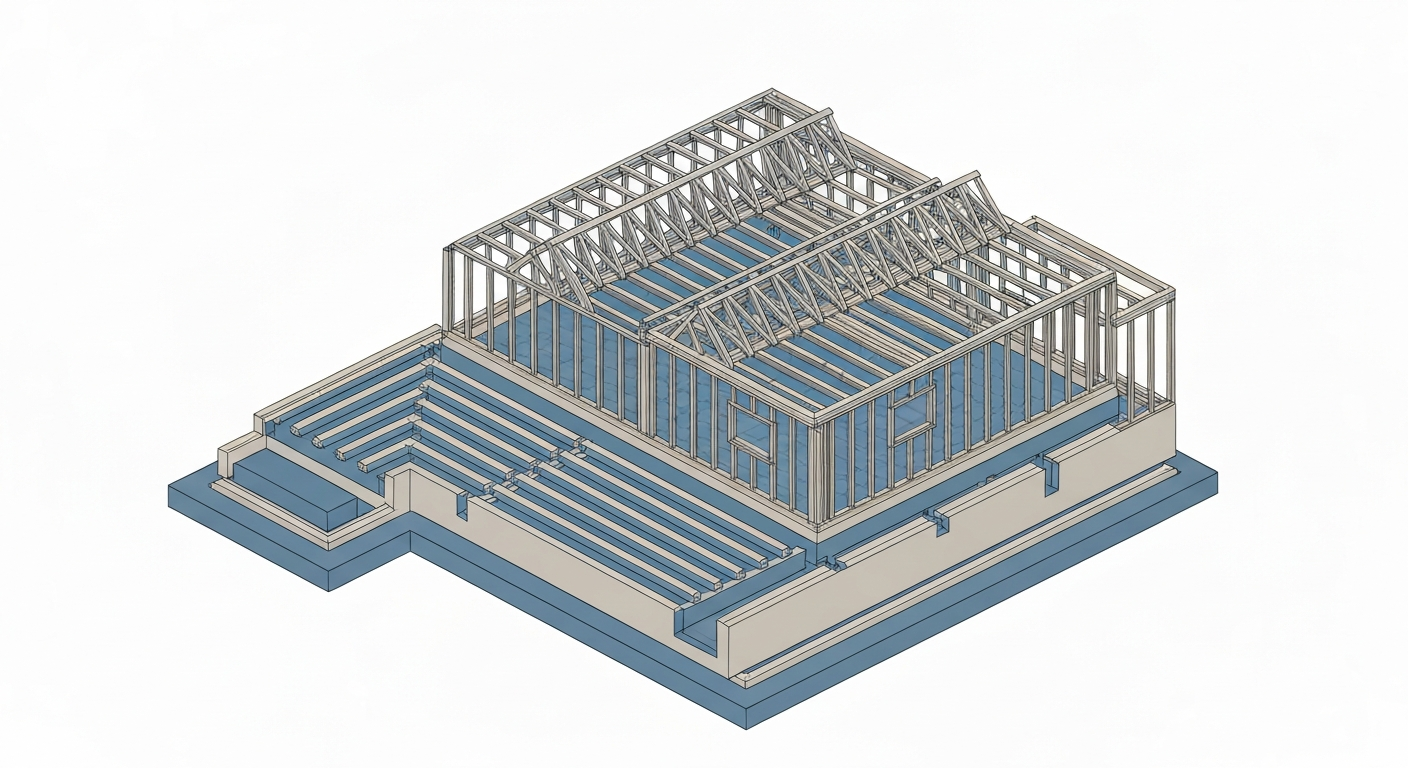
The foundation is the literal bedrock of a durable home. Modern structural planning goes beyond basic load-bearing requirements. It involves detailed soil analysis, advanced moisture control systems, and the use of highly resilient materials. For the engineering behind these choices, see our guide to new home structural design.
For example, high-durability foundations now frequently incorporate advanced waterproofing membranes and specialized concrete mixes designed to resist cracking and water intrusion over decades. In flood-prone areas, elevated foundations and flow-through designs are becoming standard practice.
Interior Layout and Space Optimization
Efficiency applies to space as much as it does to energy. Modern interior layouts prioritize multi-purpose rooms and flexible living areas. The rigid, single-use rooms of the past are being replaced by adaptable spaces that can evolve with the family.
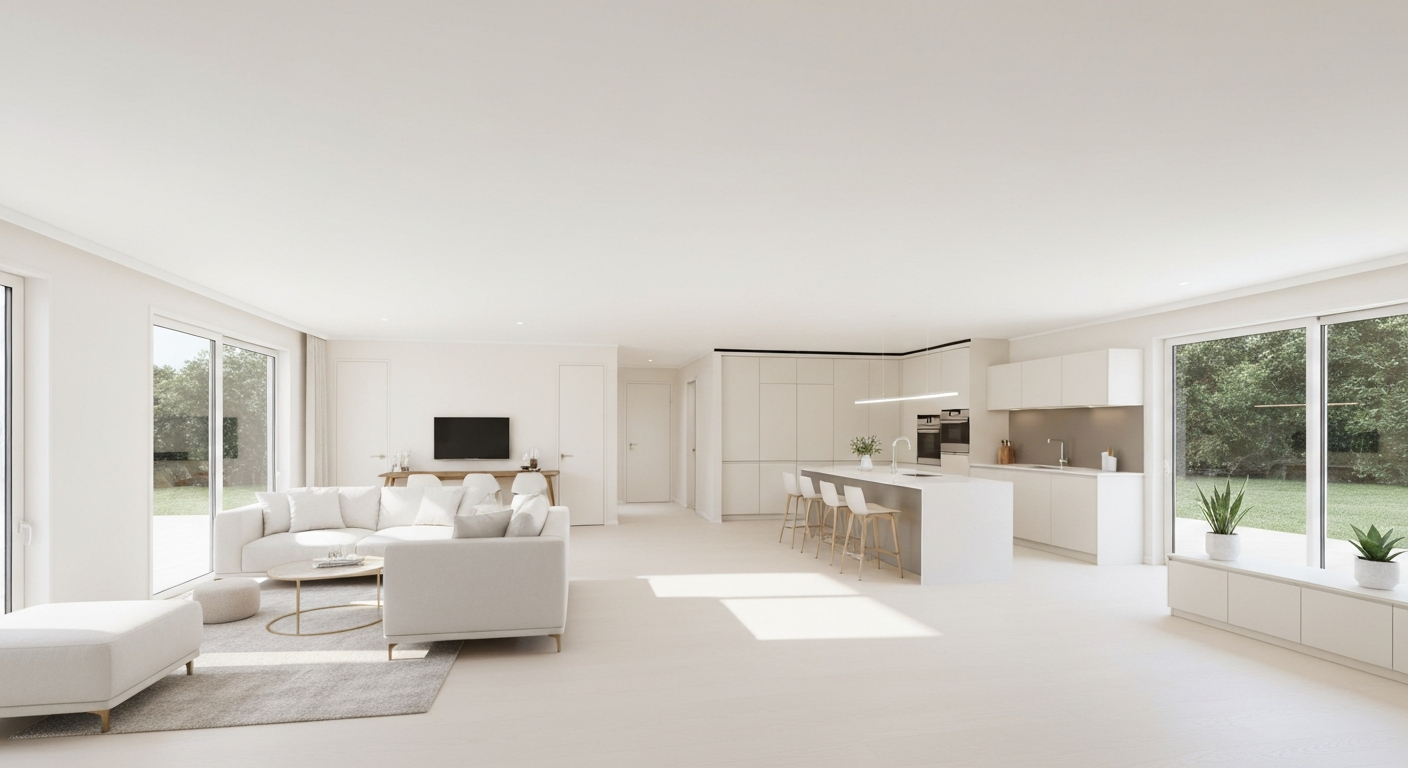
Designing for family growth and changing needs means a home can serve its occupants for a lifetime, reducing the need for costly additions or relocations. This is a crucial aspect of sustainable living.
Energy and Resource Planning
Energy planning must be integrated into the architectural design. This includes optimizing HVAC systems, specifying high-performance insulation, and utilizing passive solar design principles.
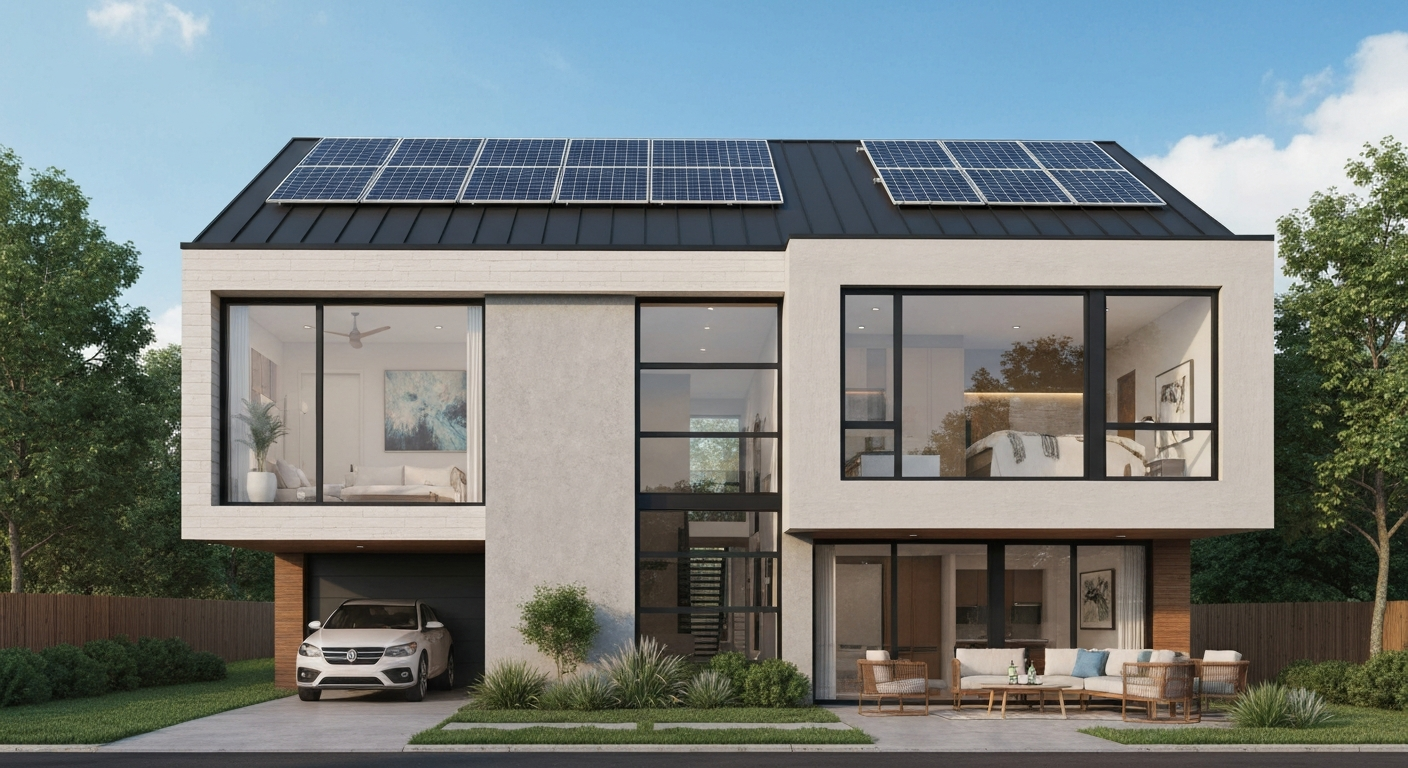
Furthermore, modern homes are being built "renewable-ready." Even if solar panels are not installed immediately, the roof structure, electrical panels, and conduit routing are prepared for future integration. Energy-saving calculations are now a standard part of the design package, showing buyers exactly what their projected utility costs will be.
Materials and Techniques for Long-Term Performance
The physical components of a home dictate its lifespan and efficiency. The materials used today are vastly superior to those used even a decade ago.
Wall Systems and Insulation
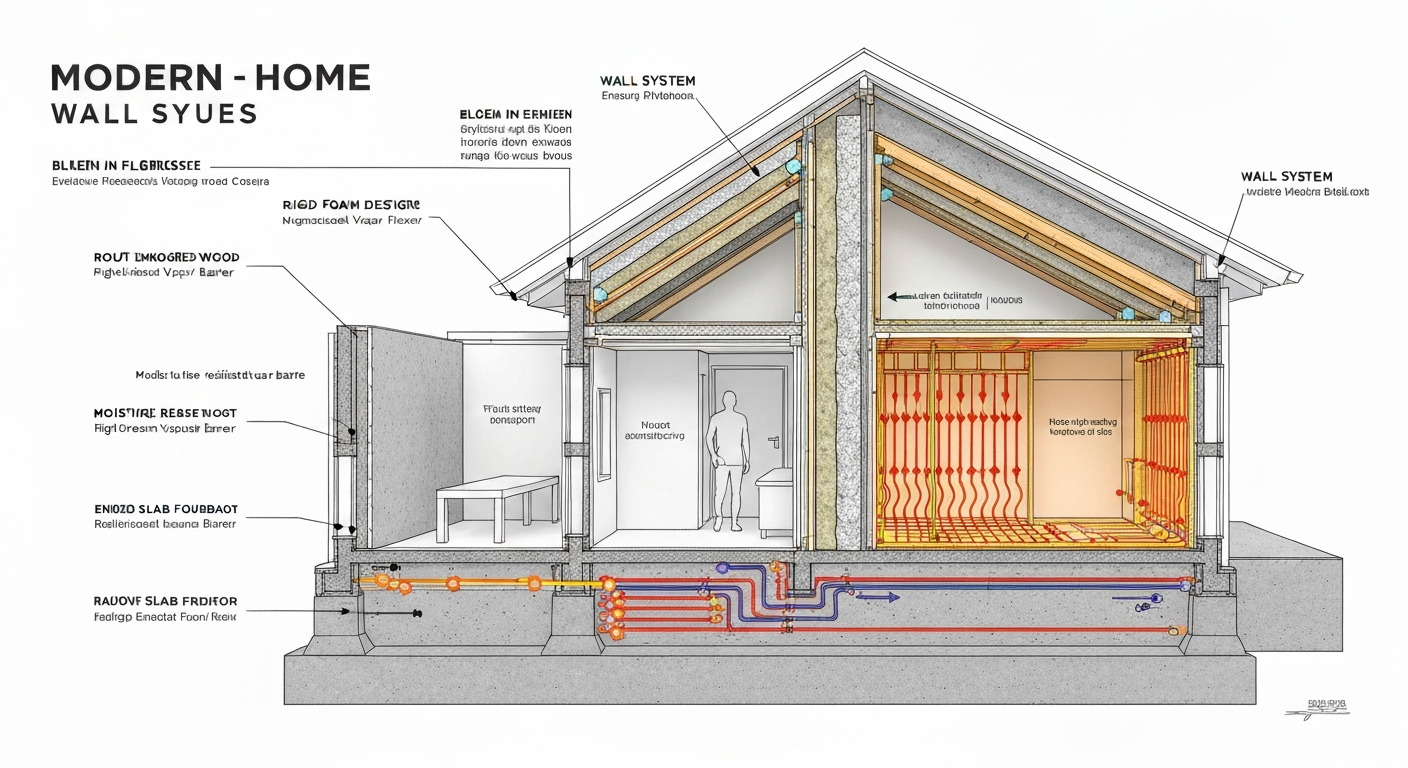
The building envelope is the primary defense against energy loss. Modern wall systems utilize advanced layering techniques to achieve unprecedented thermal and acoustic efficiency.
Continuous exterior insulation, advanced house wraps, and moisture-resistant materials are standard. The goal is to create a tight envelope that prevents conditioned air from escaping and stops moisture from entering, thereby preventing mold and structural decay.
Roofing Strategies
The roof is subjected to the harshest conditions of any building component. Modern roofing strategies focus on reflective, durable, and weather-resistant materials.
Cool roofs, which reflect more sunlight and absorb less heat, are dramatically reducing cooling costs in warmer climates. Additionally, materials like standing seam metal and advanced composite shingles offer lifespans that far exceed traditional asphalt, providing long-term savings and reducing landfill waste. Compare materials in our guide to roofing innovations beyond asphalt shingles.
Windows, Doors, and Sealing
Windows and doors are the most common points of energy failure. Today’s standards demand multi-layered glazing, low-E coatings, and rigorous air-sealing.
The thermal performance of these openings has a direct and massive impact on overall energy efficiency. A well-designed home strategically places high-performance windows to maximize natural light and passive heating while minimizing summer heat gain.
Sustainable Construction Materials
The industry is rapidly adopting eco-friendly alternatives to traditional concrete, wood, and composites. Materials like cross-laminated timber (CLT), recycled steel, and low-carbon concrete are gaining traction. (For a closer look at how these materials perform, see our guide on innovative materials and compliance).
While some of these materials carry a higher initial price tag, the long-term cost versus benefit analysis heavily favors their use. They offer superior durability, require less maintenance, and significantly reduce the home's environmental impact.
Energy Efficiency and Smart Systems
A durable shell must be paired with intelligent internal systems to realize its full potential.
Lighting and Appliances
Energy-smart systems and LED integration are baseline requirements. However, the integration goes deeper. Smart meters and energy tracking platforms allow the home to automatically manage heavy loads, running appliances during off-peak hours when electricity is cheaper and grid demand is lower.
Climate Control
Heating and cooling account for the majority of a home's energy use. Modern climate control relies on advanced zoning, programmable and learning HVAC systems, and intelligent ventilation.
These systems ensure that energy is only used where and when it is needed. Case studies consistently show that homes with zoned, smart HVAC systems achieve energy savings of 20 to 30 percent compared to traditional centralized systems.
Renewable Integration
The ultimate goal of an efficient home is net-zero energy consumption. Solar-ready roofing and integrated energy storage (home batteries) are making this a reality for a growing number of Americans.
A thorough cost-benefit analysis often reveals that the inclusion of renewable systems pays for itself within 7 to 10 years, providing decades of virtually free energy thereafter.
Cost, ROI, and Financial Planning
The transition to durable, efficient building practices requires a shift in financial perspective, moving from initial cost to lifecycle cost.
Lifecycle Cost Analysis
When comparing traditional construction to durable, efficient homes, the upfront premium (typically 5 to 10 percent) is quickly offset by operational savings. (If you're planning a project, use our Construction Cost Calculator to estimate your baseline budget).
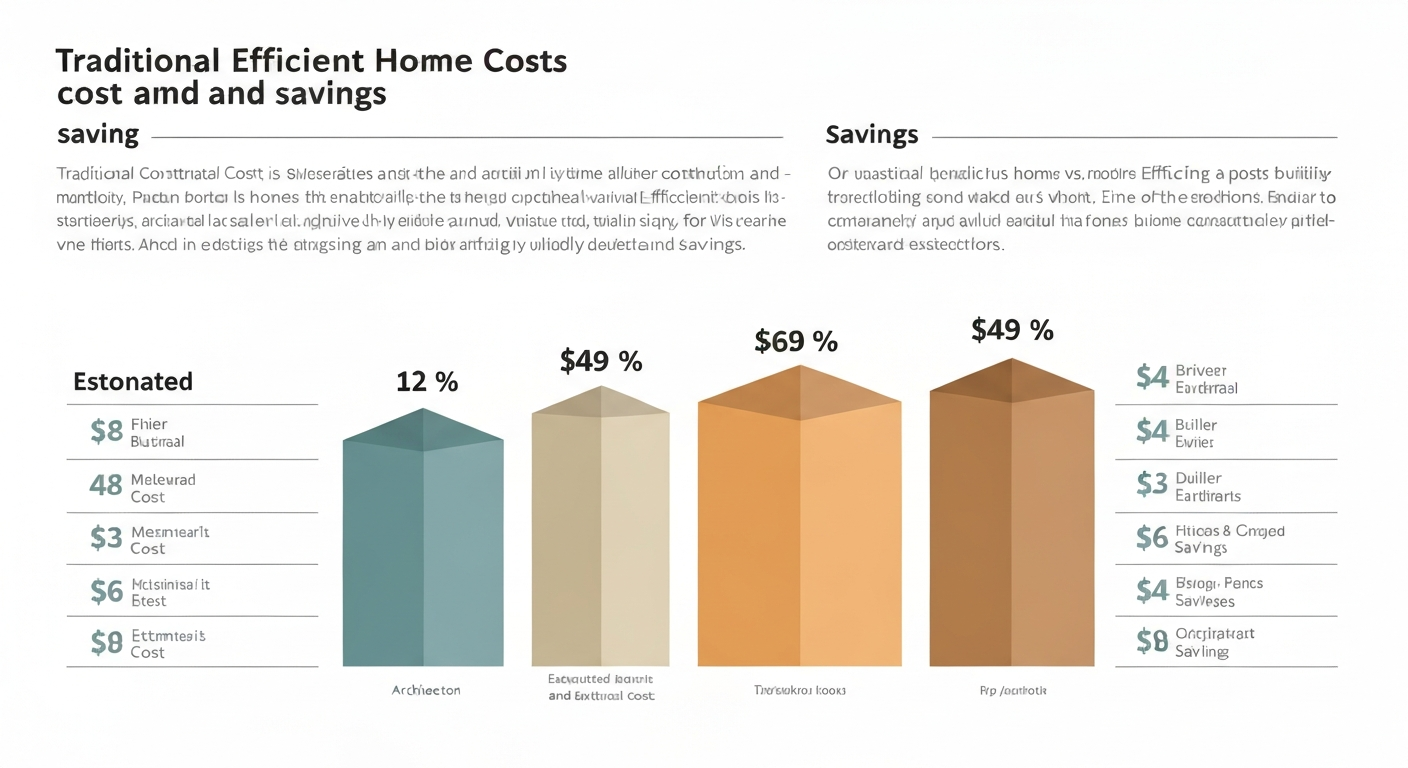
Projected ROI tables consistently demonstrate that over a 10 to 20-year period, the efficient home costs significantly less to own. Lower utility bills, fewer repairs, and reduced maintenance cycles compound over time to create substantial financial value.
Financing Options
The financial sector has recognized the value of resilient homes. There are now numerous incentives, tax credits, and green building grants available at the federal, state, and local levels.
Specialized green mortgages often offer better terms for homes that meet specific energy standards, recognizing that lower utility costs make for a more financially stable borrower. For construction financing basics, see our home construction loan guide and free construction loan calculator.
Challenges and Common Mistakes
Despite the clear benefits, the transition to modern building practices is not without hurdles.
Design and Material Errors
The most common mistakes stem from improper planning. Choosing the wrong material for a specific climate, or ignoring local environmental factors, can lead to catastrophic failures. A high-performance material installed in the wrong application is a wasted investment.
Implementation Pitfalls
Even the best design can be ruined by poor execution. Poor installation of insulation or air barriers negates their benefits. Neglecting to properly commission energy systems or failing to design for future adaptability can limit a home's lifespan and efficiency.
Homeowner and Builder Education
The success of modern construction relies on an educated market.
Knowledge for Decision Making
Homeowners must understand the long-term benefits and trade-offs of their decisions. Evaluating a home based on its lifecycle cost rather than its sticker price requires a fundamental shift in consumer mindset.
Builder Best Practices
Builders must continuously update their skills. Adhering to high standards, pursuing green certifications, and implementing rigorous quality control methods are essential. The best practices established by top US construction firms serve as a roadmap for the rest of the industry.
FAQs
What defines a modern, energy-efficient home? A modern, energy-efficient home features a tightly sealed building envelope, high-performance insulation, efficient HVAC systems, and integrated smart technology to minimize energy consumption while maximizing comfort.
How to select durable materials within a budget? Focus on the areas most exposed to wear and weather, such as the roof and exterior siding. Opt for materials with proven longevity and low maintenance requirements, even if they cost slightly more upfront, as they will save money over the life of the home.
Is sustainable construction expensive in the USA? While the initial cost can be 5-10% higher, sustainable construction is highly cost-effective over the long term due to significantly lower utility bills, reduced maintenance costs, and available tax incentives.
Which techniques reduce energy costs effectively? The most effective techniques are comprehensive air sealing, upgrading to multi-layered glazed windows, installing programmable zoned HVAC systems, and ensuring continuous exterior insulation.
How can homes adapt to future lifestyle changes? Homes can adapt by incorporating flexible floor plans, multi-purpose rooms, and "renewable-ready" infrastructure that allows for easy upgrades to solar power or advanced smart home systems without major renovations.
What are the environmental impacts of durable construction? Durable construction reduces the need for frequent repairs and replacements, thereby lowering material waste in landfills and decreasing the carbon emissions associated with manufacturing and transporting new building materials.
How does location influence material choice and efficiency? Location dictates the climate challenges a home faces. For instance, homes in humid areas require advanced moisture barriers, while homes in cold climates prioritize high R-value insulation and passive solar heating.
Conclusion
The shift toward durable, efficient, and sustainable home construction in the USA represents a permanent evolution in the housing market. By prioritizing long-term performance over short-term savings, homeowners and builders are creating properties that are not only cheaper to operate and maintain but also significantly more comfortable and resilient.
As technology advances and environmental awareness grows, adopting these modern building practices is no longer just an option - it is the standard for the future of American housing.